Concrete Tips
Best Time of Year to Pour Concrete in Central Florida
Wondering when to schedule your concrete project in Ocala? Learn the best time of year to pour concrete in Central Florida's heat and rain. CSP Concrete pours year-round.
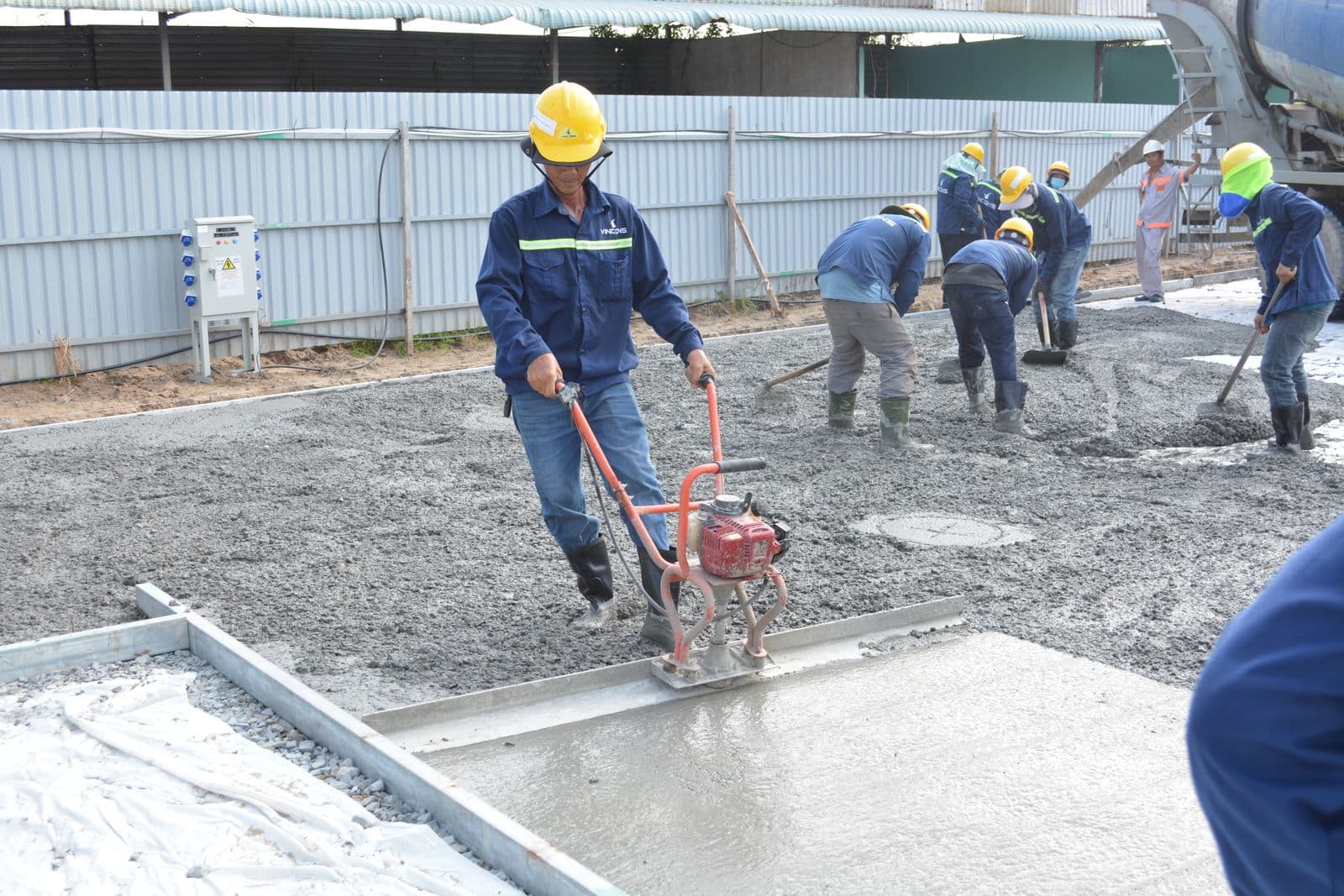
Homeowners in Ocala and across Marion County often ask us, "When is the best time of year to pour a new concrete driveway or patio?" It's a smart question, especially given our unique Central Florida climate of intense summer heat and daily afternoon thunderstorms. The simple truth is that while some seasons are easier than others, a skilled and experienced concrete contractor can successfully pour high-quality concrete any month of the year.
The secret isn't about finding a magical two-week window on the calendar; it's about the contractor's preparation, process, and understanding of how to manage Florida's weather.
The "Ideal" Florida Concrete Season (and Why It's Not the Only Season)
If you were to pick a perfect time for pouring concrete in Central Florida, it would be during our fall, winter, and spring months—roughly from October through April.
During this period, the weather in areas like Ocala, The Villages, and Leesburg is much more cooperative. We see:
- Milder Temperatures: Daytime highs are often in the 60s and 70s, which is the sweet spot for concrete curing. The concrete doesn't get shocked by extreme heat, allowing it to hydrate and harden at a steady, predictable rate.
- Lower Humidity: Less moisture in the air allows for more control over the surface drying process.
- Less Rain: The daily afternoon downpours of summer are gone, replaced by more predictable and infrequent weather fronts. This drastically reduces the risk of a freshly poured slab getting ruined by rain.
These conditions make the job more straightforward and reduce the risk of weather-related issues. However, this is also the busiest time for contractors, so you may face longer wait times for scheduling. The key takeaway is that you don't have to put your project on hold until fall.
Tackling the Florida Summer: Heat, Humidity, and Rain
Pouring concrete from May through September in Marion, Lake, and Citrus counties presents a unique set of challenges. This is where the experience of a professional crew truly matters. A cheap, inexperienced contractor can leave you with a weak, cracked slab that fails in just a few years.
Here’s what we’re up against and how we handle it.
The Challenge of Extreme Heat
When temperatures soar into the 90s, the ground is hot and the sun is beating down. This environment can cause concrete to cure far too quickly, a problem known as "flash setting."
- What Happens: The water in the concrete mix evaporates too fast, not giving the cement particles enough time to form the strong crystalline bonds that give concrete its strength.
- The Result: A weaker slab that's highly susceptible to plastic shrinkage cracks, surface scaling, and reduced long-term durability.
Our Professional Solution:
- Early Morning Pours: This is our number one strategy. We schedule summer pours for the crack of dawn, often starting by 6:00 AM. This allows us to place, finish, and apply the initial cure to the concrete before the intense midday sun takes over.
- Cooling the Subgrade: We lightly dampen the prepared ground (the subgrade) right before pouring. This prevents the dry, hot sandy soil from sucking water out of the bottom of the slab too quickly.
- Using Admixtures: We can work with the ready-mix plant to include a retarding admixture in the concrete mix. This chemical slows down the hydration process, giving us more time to work with the concrete and ensuring it cures more evenly despite the heat.
Battling Afternoon Thunderstorms
Anyone who has lived in Ocala for a summer knows you can set your watch by the 3:00 PM thunderstorms. Rain is the enemy of fresh, uncured concrete.
- What Happens: A heavy downpour can wash away the top layer of cement paste (the "cream"), exposing the coarse aggregate. This creates a weak, ugly, and pitted surface. Even a light rain can ruin the finish of a brand-new concrete driveway or patio.
- The Result: Permanent surface damage, reduced curb appeal, and a top layer that will be more prone to chipping and spalling.
Our Professional Solution:
- Timing is Everything: Our early morning pour schedule is also our best defense against rain. By the time the afternoon storms roll in, the concrete has typically hardened enough to resist damage from raindrops.
- Weather Monitoring: We watch the forecast obsessively. If a massive storm system or an all-day rain event is predicted, we will proactively call you to reschedule. It’s better to wait a day than to risk a bad pour.
- Emergency Preparedness: We always have heavy-duty plastic sheeting on-site. If an unexpected shower pops up, we can quickly cover the slab to protect the surface.
Why Proper Curing is More Important Than the Season
Pouring the concrete is just one part of the job. The most critical phase for ensuring long-term strength and durability is curing. Curing is the process of maintaining adequate moisture and temperature in the concrete for a period of time so it can achieve its designed strength.
This is where many cut-rate contractors fail. They pour the slab and disappear, leaving it to bake in the Florida sun.
| Curing Method | Description | Best For |
|---|---|---|
| Wet Curing | Keeping the slab surface continuously wet with sprinklers, foggers, or wet burlap. | The most effective method, but can be impractical for homeowners. |
| Curing Compound | A liquid membrane sprayed on the surface that seals in moisture. | Excellent for Florida. We use this on most residential projects like concrete slabs and driveways. |
| Plastic Sheeting | Taping down plastic sheeting to trap moisture. | Effective, but can cause discoloration if not done perfectly. |
| No Curing | Simply leaving the slab exposed to the elements. | Unacceptable. Leads to a loss of up to 50% of the potential surface strength. |
At CSP Concrete, we consider proper curing to be non-negotiable, regardless of the season. In the summer, we apply a high-quality spray-on curing compound immediately after finishing. This invisible membrane is the best defense against the hot sun, locking in the necessary moisture for the concrete to grow strong from within.
Scheduling Your Central Florida Concrete Project
So, when should you call? Anytime.
- Fall/Winter/Spring (Oct-Apr): Great weather, but plan ahead. This is our busiest season, and the schedule fills up quickly. It's the perfect time for large projects like foundations or a full driveway replacement.
- Summer (May-Sep): Don't hesitate to schedule your project. We have decades of experience managing the heat and rain. Our schedule can sometimes be more flexible in the summer, meaning we might be able to get to your project sooner.
The most important factor is not the date on the calendar, but the quality of the contractor you hire. A professional team knows how to adapt to the conditions and deliver a perfect product year-round. You can learn more about our company and our commitment to quality.
Frequently Asked Questions
Can you pour concrete if it's too cold in Florida?
While rare, we do get cold snaps where temperatures dip near freezing. We avoid pouring concrete if the ground is frozen or if temperatures are expected to drop below 40°F for an extended period, as this can halt the curing process and damage the concrete. This is rarely an issue in Marion County.
How long do I have to wait to schedule a concrete pour?
This depends on the season and our current workload. During the peak season (fall and winter), it might be a few weeks. In the summer, it could be sooner. The best way to know is to call us for a free estimate; we can give you a clear timeline then.
Does a permit affect the project timeline?
Yes. Many projects, such as new driveways or foundation slabs, require a permit from Marion County or your local municipality. The time it takes to get a permit approved can vary, so it's best to start the process early. We can guide you on the permitting requirements for your specific project.
Is it more expensive to pour concrete in the summer?
No, we do not charge more based on the season. The cost of your project is based on the size (square footage), thickness, site preparation required, and any special finishes. The price we quote in your free estimate is the price you'll pay, regardless of whether we pour in July or January.
Ready to start your project? Don't let the weather forecast hold you back. With CSP Concrete, you can be confident you're getting a top-quality job any time of year. Call us today at (321) 239-6046 or request your free, no-pressure estimate online to discuss your new concrete patio, driveway, or slab.