Driveways
How Much Does a Concrete Driveway Cost in Ocala, FL? (2026)
Get 2026 concrete driveway cost estimates for Ocala, FL. Learn per-square-foot pricing, cost factors, and see how concrete compares to pavers and asphalt.
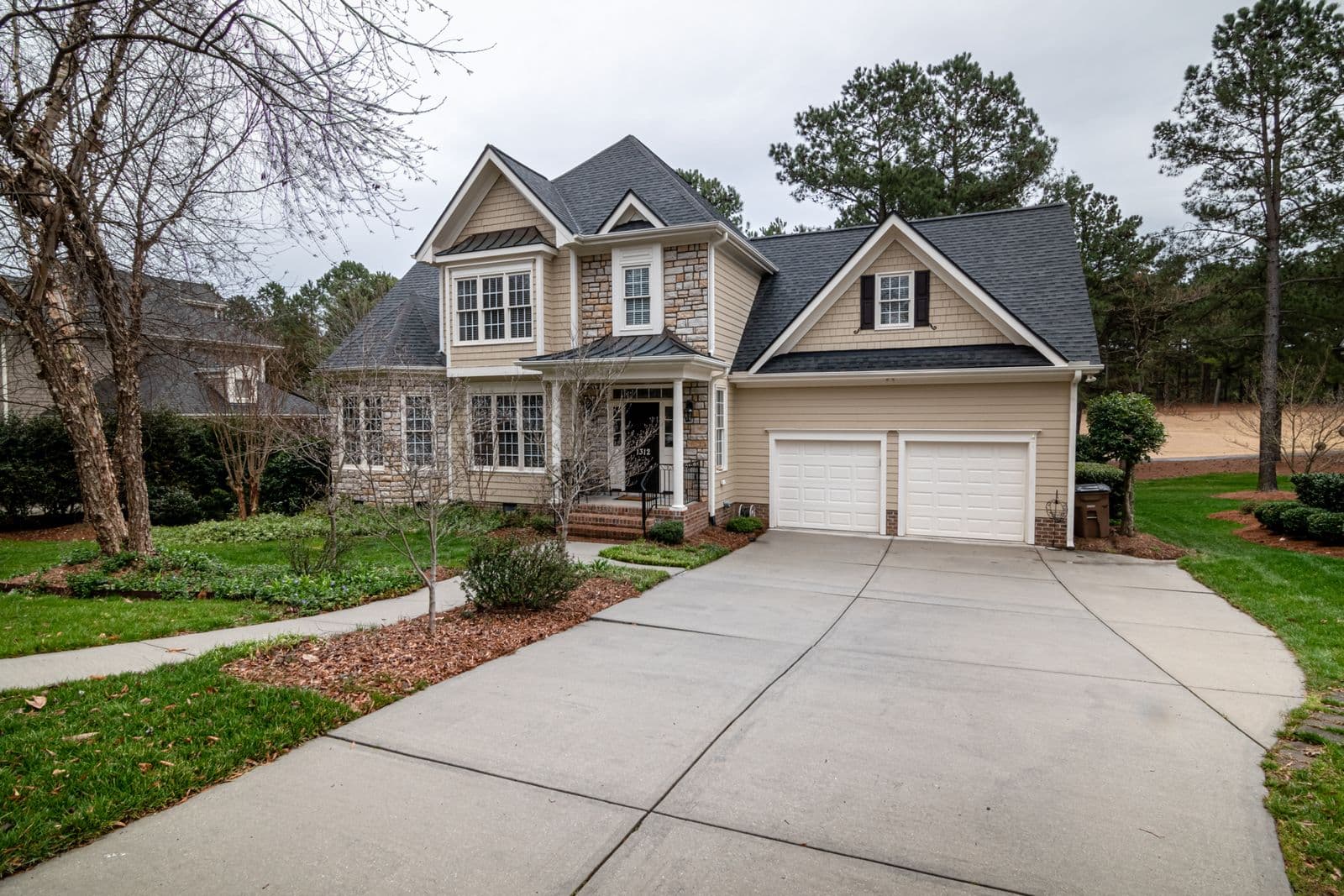
If you're wondering what it costs to install a new concrete driveway in the Ocala area, you've come to the right place. A new driveway is a significant investment in your home's curb appeal and functionality, and the price can vary quite a bit. We'll break down the real costs you can expect in 2026, so you can budget with confidence and understand what you're paying for.
The Bottom Line: Concrete Driveway Costs in Ocala
For a standard, professionally installed concrete driveway in Marion County, you can generally expect the cost to be between $10 and $18 per square foot. This range covers a typical project that includes site prep, materials, labor, and a standard broom finish.
Let's put that into perspective for a common driveway size:
- A standard two-car driveway is often around 20 feet wide by 30 feet long, which is 600 square feet.
- Using our range, a new 600 sq. ft. driveway would likely cost between $6,000 and $10,800.
This is a realistic budget for a quality job from a licensed and insured contractor like CSP Concrete. Be wary of quotes that are significantly lower, as they often cut corners on materials, base preparation, or reinforcement—mistakes that will cost you much more in the long run.
What Drives Your Driveway Cost? A Breakdown
The per-square-foot price isn't just a number pulled from thin air. It's a combination of several important factors. Here’s exactly what influences the final price on your estimate.
Size and Thickness: The Biggest Factors
The total square footage is the primary driver of cost. A long, winding driveway will naturally cost more than a short, straight one.
Just as important is the thickness.
- 4-inch Thickness: This is the industry standard and is perfectly adequate for everyday cars, SUVs, and light trucks. Most residential driveways in Florida are poured at 4 inches.
- 6-inch Thickness: If you own a heavy RV, a boat on a trailer, a work van loaded with equipment, or other heavy vehicles, you need a 6-inch thick driveway. The extra two inches adds significant strength and durability, but also increases the material and labor cost by about 20-30%. It's a necessary upgrade to prevent premature cracking under heavy loads, similar to what we pour for heavy equipment pads.
Tear-Out and Removal of an Old Driveway
If you're not starting with a clear patch of dirt, we need to account for removing what's already there. Tearing out and hauling away an old driveway is labor-intensive work.
- Asphalt Removal: Relatively easy to break up but can be messy.
- Cracked Concrete Removal: Requires heavy equipment like jackhammers and skid steers. The cost includes breaking up the slab, loading it, and paying for disposal at a proper facility.
- Paver Removal: Involves pulling up each paver and often removing a sand and base layer.
This removal and disposal cost will be a separate line item on your estimate and can add several dollars per square foot to the total project cost.
Site Preparation & Base
In Central Florida, you can't just pour concrete on our sandy topsoil and expect it to last. Proper site preparation is non-negotiable for a long-lasting driveway. This includes:
- Grading: We carefully grade the area to ensure water runs off the driveway and away from your home's foundation.
- Compacted Base: We install and compact a base layer of crushed concrete or lime rock. This creates a stable, solid foundation for the concrete, preventing it from sinking or cracking due to shifts in the soft, sandy soil.
Reinforcement: Wire Mesh vs. Rebar
Concrete is incredibly strong under compression but weak under tension. Reinforcement holds it together and prevents cracks from separating.
- Welded Wire Mesh: A grid of steel wires that offers good basic reinforcement.
- Steel Rebar: Thicker steel rods placed in a grid pattern. Rebar provides superior structural strength and is highly recommended for Florida's soil conditions and temperature fluctuations. We believe it’s essential for a driveway that will last for decades.
Finish and Design
The finish affects both the look and the cost of your driveway.
- Broom Finish: This is the most common and cost-effective finish. After the concrete is smoothed, a special broom is dragged across the surface, creating fine lines that provide excellent traction, which is great for our rainy afternoons.
- Stamped & Decorative Concrete: If you want the look of stone, brick, or wood, we can use stamps and colors to create a high-end decorative finish. This is a form of concrete flatwork that requires extra materials and highly skilled labor, so it costs significantly more than a standard broom finish.
Concrete vs. Pavers vs. Asphalt in Central Florida
How does concrete stack up against other popular driveway options? Here's a quick, honest comparison for homeowners in the Ocala area.
| Feature | Concrete | Pavers | Asphalt (Blacktop) |
|---|---|---|---|
| Initial Cost | Moderate | High | Low |
| Lifespan | 30+ years | 25-50 years (with maintenance) | 15-20 years |
| Maintenance | Low (occasional cleaning/sealing) | Moderate (re-sanding, replacing, weed control) | High (requires sealing every 3-5 years) |
| Heat Absorption | Moderate (reflects some heat) | Varies by color | Very High (gets extremely hot) |
| Weed Growth | None | Yes, in joints | No |
| Durability | Excellent, very rigid and strong. | Good, but individual pavers can shift or sink. | Prone to softening in extreme heat. |
For most Florida homeowners, concrete provides the best balance of durability, low maintenance, and long-term value.
Why a Properly Poured Driveway Matters in Florida
Doing the job right in Central Florida means accounting for our unique climate.
First, control joints are critical. These are the lines you see cut into the surface of the concrete. They aren't for decoration; they are planned weak points that encourage the concrete to crack in a straight, clean line as it expands and contracts with our intense temperature swings. Without them, you'll get ugly, random cracks all over your new slab.
Second, timing is everything. We have to work around the Florida heat and our famous afternoon thunderstorms. Pouring concrete in the extreme heat can cause it to cure too quickly and weaken. A sudden downpour can ruin the surface finish. As an experienced local contractor, we schedule our services to manage these risks, often starting pours early in the morning to ensure the concrete has enough time to set properly.
Frequently Asked Questions
How thick should a concrete driveway be in Florida?
For standard vehicles like cars and SUVs, a 4-inch thick driveway is sufficient. If you have heavy vehicles like an RV, boat trailer, or a work truck, you absolutely need a 6-inch thick driveway to handle the weight and prevent cracking.
Do I need a permit for a new driveway in Marion County?
Yes, in most cases, replacing or installing a new driveway requires a permit from Marion County. As a licensed contractor (License #18069), we handle the entire permitting process for you, ensuring everything is built to code.
How long does a concrete driveway last in Ocala?
When installed correctly with a proper base, rebar reinforcement, and control joints, a concrete driveway in our climate will easily last 30 years or more. With occasional cleaning and sealing, it can last even longer.
Can you pour a new layer of concrete over my old driveway?
We strongly advise against this. Pouring a thin layer of new concrete over an old, cracked driveway (called an overlay) is a short-term fix that almost always fails. The cracks from the old slab will quickly transfer up through the new layer, and you'll be paying for another replacement in just a few years. Full removal is the only right way to do it.
Ready to upgrade your curb appeal with a driveway that's built to last? We're here to help. CSP Concrete is a locally owned, licensed, and insured contractor serving Ocala, The Villages, and all of Marion, Lake, and Citrus counties. Call us today at (321) 239-6046 or request your free, no-pressure estimate online.