Generator & Equipment Pads
Concrete Generator Pads in Ocala: Cost, Size & Install (2026)
Expert guide to concrete generator pads in Ocala, FL. Learn about cost, sizing for Generac units, thickness, and installation for hurricane season. Free estimates.
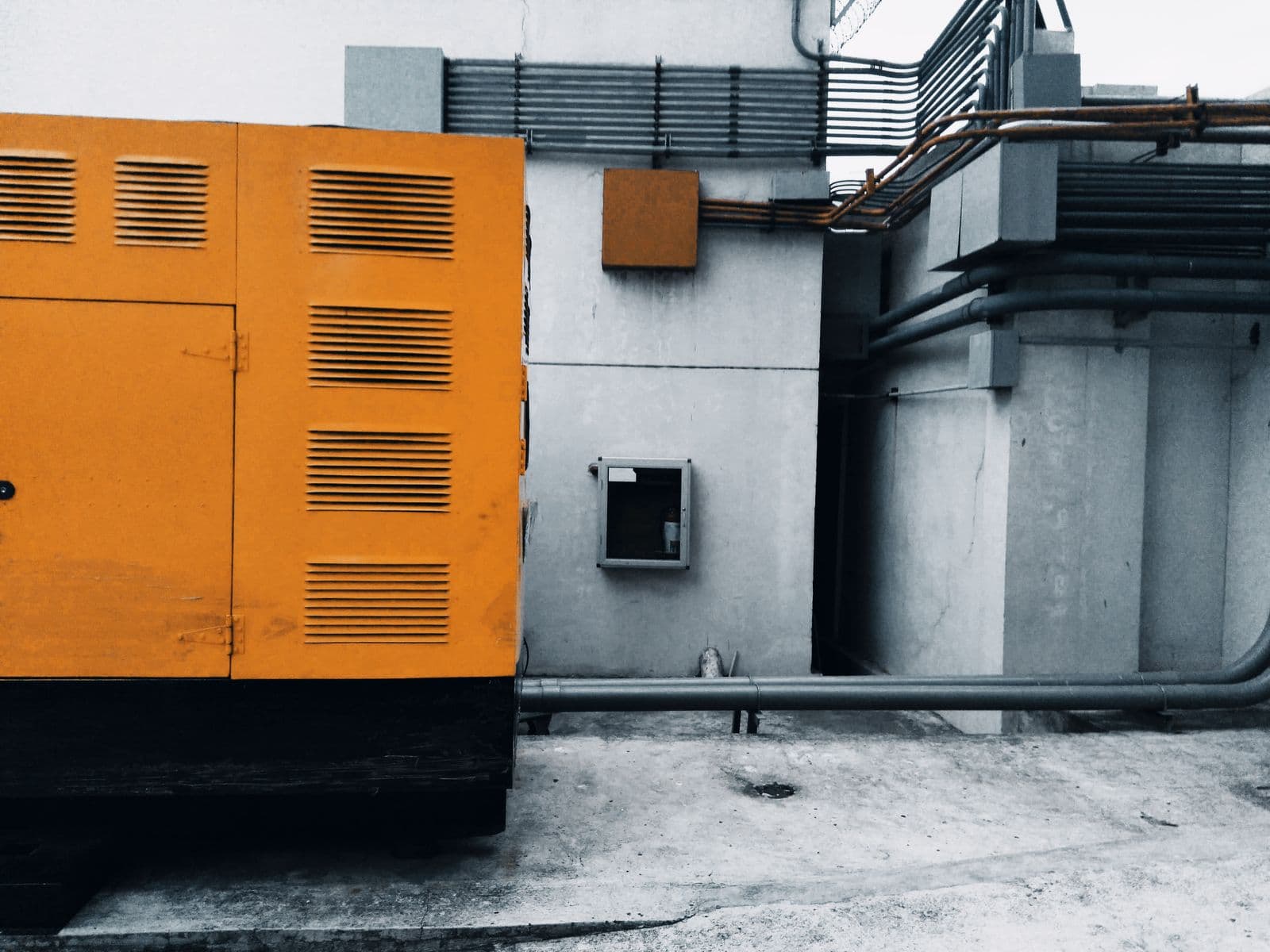
Here in Ocala, we know hurricane season is no joke. A whole-house or standby generator is a smart investment for keeping your family safe and comfortable, but that powerful machine needs a solid base. A properly poured concrete generator pad isn't just a platform; it's the foundation of your home's power reliability, ensuring your generator stays stable, level, and secure for decades.
At CSP Concrete, we've poured hundreds of generator pads across Marion County, from The Villages to the horse farms near the World Equestrian Center. We understand the soil, the weather, and what it takes to build a foundation that lasts. This guide will walk you through everything you need to know about getting the right concrete pad for your generator.
Why a Concrete Pad is Non-Negotiable in Florida
Your generator installer might mention that some units come with a small composite pad, or suggest placing it on a bed of gravel. For Central Florida, we strongly advise against these shortcuts.
- Plastic/Composite Pads: These thin pads can become brittle and crack under the intense Florida sun. They can also warp, causing your expensive generator to vibrate excessively, leading to premature wear and tear.
- Gravel or Pavers: A gravel bed is prone to shifting and settling, especially during our heavy rains. This can throw the generator off-level. It also creates a welcoming home for ants, snakes, and other pests right next to your house.
A professionally installed concrete generator pad is the only solution that provides the permanent, level, and stable base your investment deserves. It keeps the unit elevated above ground moisture, resists shifting, and won't degrade in our climate.
Sizing Your Generator Pad: Bigger is Better
The single most common mistake we see is an undersized pad. The pad must be large enough to support the entire base of the generator with extra room for service access and airflow. The manufacturer’s specifications are the final word, but a good rule of thumb is to add at least 6 inches of concrete on all four sides of the generator's footprint.
This extra space prevents soil erosion from undermining the edges of the pad and gives a technician room to work. For a clean look, we form the pad to be perfectly square or rectangular, so we'll often round up to the nearest half-foot.
Here’s a table with common generator sizes and our recommended concrete pad dimensions. Always confirm with your generator's specific manual before we pour.
| Generator Size (Typical Standby) | Typical Generator Footprint (L x W) | Recommended Concrete Pad Size (L x W) | Notes |
|---|---|---|---|
| 10-14 kW | ~48" x 25" | 60" x 36" (5' x 3') | Common for smaller homes or essential circuits. |
| 18-22 kW (Very Common) | ~48" x 25" | 60" x 36" (5' x 3') | The most popular size for whole-house power in Ocala. |
| 24-26 kW | ~50" x 29" | 62" x 41" (approx. 5.5' x 3.5') | For larger homes with multiple AC units. |
| 30 kW+ (Liquid Cooled) | ~77" x 34" | 89" x 46" (approx. 7.5' x 4') | Requires a significantly larger and often thicker pad. |
The Installation Process: What to Expect
Pouring a generator pad is a straightforward job for a professional, but it requires precision. It's more than just mixing and pouring; it's about creating a permanent, functional piece of your home's infrastructure. These are the same principles we apply to all our concrete slabs.
Step 1: Site Preparation and Forming
First, we work with you and your generator installer to determine the exact location. Local codes in Marion County and specific cities like Ocala have setback requirements—rules about how far the unit must be from windows, doors, air intakes, and property lines. A typical rule is to be at least 5 feet from any opening.
Once the location is set, we clear the grass and topsoil, leveling the ground to ensure a solid sub-base. We then build a sturdy wooden form to the exact dimensions required for your pad.
Step 2: Coordination with Your Electrician & Plumber
This is critical. Before we pour any concrete, your electrician needs to install the electrical conduit (the pipe for the wires) and your plumber or gas fitter needs to stub-up the gas line exactly where they need to enter the generator. We form the pad around these stub-ups. This pre-planning ensures a clean, professional installation with no ugly, exposed lines running over the top of your new pad later.
Step 3: Thickness and Reinforcement
For virtually all residential generators, a 4-inch thick concrete slab is the industry standard and provides more than enough strength.
To prevent cracking and add tensile strength, especially in Florida's sandy soil, we always recommend reinforcement. We typically use a grid of steel rebar or a heavy-gauge wire mesh embedded in the center of the concrete. This small addition dramatically increases the pad's longevity and ability to resist shifting or cracking over time.
Step 4: The Pour and Finish
We use a high-quality concrete mix designed for durability. Once poured into the forms, the concrete is leveled and smoothed. We give it a "broom finish"—a slightly textured surface that is non-slip and looks clean and professional. We also use an edger tool to create a clean, rounded profile on the pad's perimeter, which helps prevent chipping.
Finally, we cut control joints where necessary on larger pads to guide any potential cracking in a straight, clean line. The pad will need to cure for several days before the generator installer can safely mount the heavy unit on it.
Cost of a Concrete Generator Pad in Ocala (2026)
The cost of a concrete generator pad can vary based on a few key factors. It's impossible to give a flat price without seeing the site, which is why we offer free, no-pressure estimates.
However, for budgeting purposes, most Ocala and Marion County homeowners can expect to pay somewhere between $700 and $1,500 for a professionally installed, rebar-reinforced concrete pad for a typical residential standby generator (e.g., up to 26kW).
Factors that influence the final price include:
- Size of the Pad: A larger pad requires more material and labor.
- Site Access: A backyard with a wide gate is easier to access than one requiring wheelbarrows for a long distance.
- Site Condition: If your yard has a significant slope or requires extensive clearing and grading, the site preparation cost will be higher.
- Removal of Old Pad: If we need to demolish and haul away an old, cracked pad, that will add to the cost.
Frequently Asked Questions
What size concrete pad do I need for a whole-house generator?
Check your generator’s manual for the exact footprint, then add at least 6 inches of concrete on all sides. For a common 22kW Generac, a 5-foot by 3-foot pad is usually a safe and effective size.
How thick should a generator pad be?
A 4-inch thick pad is the standard for residential generator installations in Central Florida. This provides ample strength and stability for the weight of the unit.
Can you pour a pad for my Generac before the installer arrives?
Absolutely. This is the ideal way to do it. We coordinate with you and your installer's schedule to pour the pad and allow it enough time to cure properly before they are scheduled to place the generator.
Does a generator pad need rebar?
While concrete is very strong, we always recommend steel rebar or wire mesh reinforcement for generator pads in Florida. Our sandy soil can shift, and the rebar provides crucial tensile strength that prevents cracking and ensures the pad remains stable for life.
How much does a concrete generator pad cost in Ocala?
For most standard residential generator pads, the cost in the Ocala area typically ranges from $700 to $1,500 in 2026. The final price depends on the pad's size and site-specific factors, so an on-site quote is necessary for an exact price.
Don't trust your home's power security to a flimsy plastic base. Get a rock-solid foundation from a local, licensed, and insured expert. Call CSP Concrete today at (321) 239-6046 or fill out our online form to schedule your free, on-site estimate for a concrete generator pad.