Concrete Repair
Concrete Repair Cost in Central Florida: Repair vs. Replace (2026)
Is your Ocala driveway cracked or sinking? Learn about 2026 concrete repair costs in Central Florida and when it's smarter to replace vs. repair your slab.
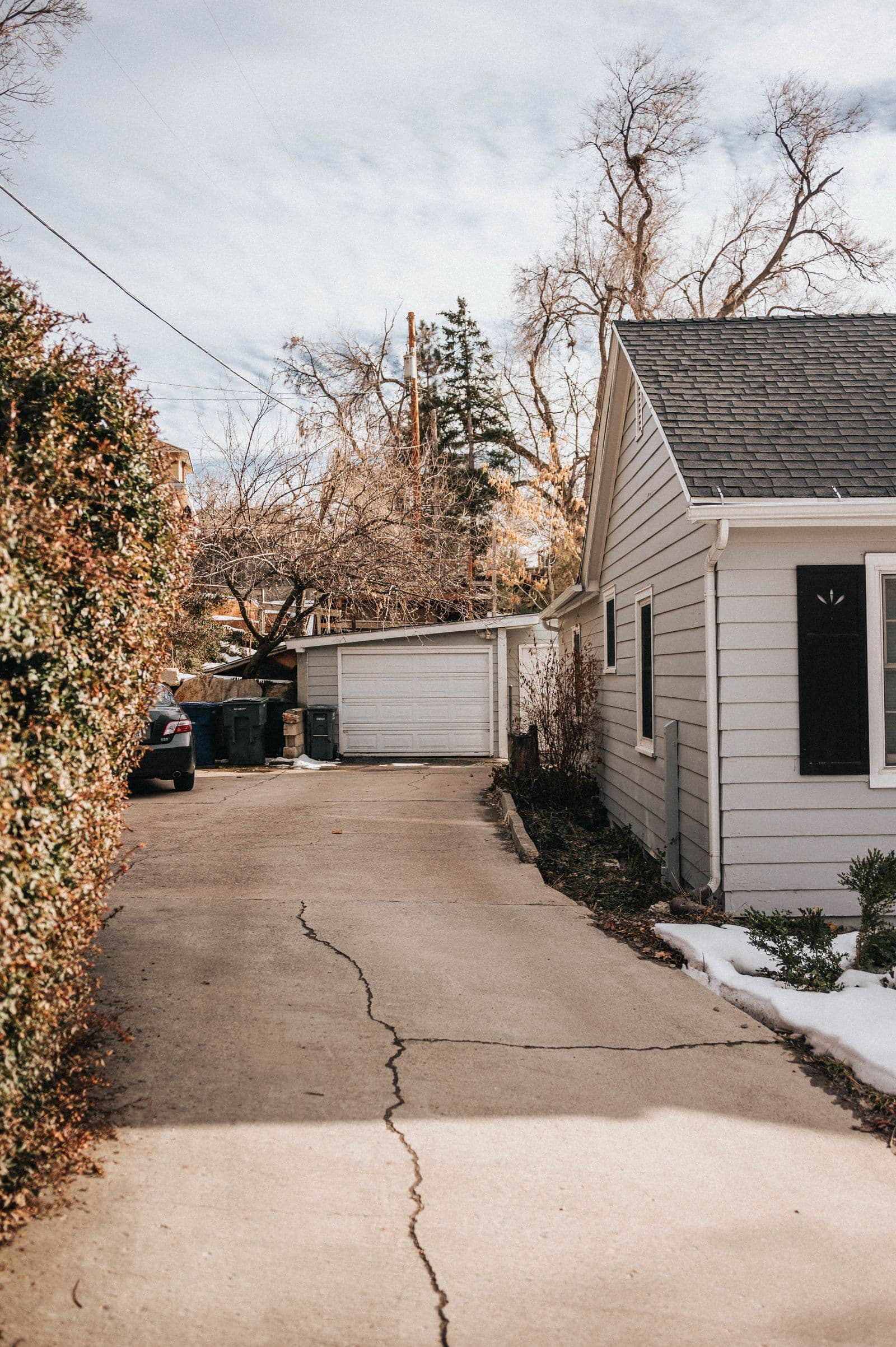
That cracked driveway or sinking sidewalk isn't just an eyesore; it's a potential trip hazard and a sign of bigger issues. As a Central Florida homeowner, you're faced with a big question: should you repair the damaged concrete or tear it out and start fresh? This guide breaks down the common problems we see, typical repair costs in the Ocala area, and how to make the right long-term decision for your property.
Why Does Concrete Fail in Central Florida?
Your concrete takes a beating here in Florida. It's not just about age; our unique environment plays a huge role in why driveways, patios, and walkways start to fail. Understanding the cause is the first step toward finding the right solution.
- Sandy Soil: The ground beneath our feet in Marion, Lake, and Citrus counties is predominantly sandy. If the soil base (the "sub-base") wasn't properly compacted when your concrete was first poured, it will inevitably settle over time, causing the slab above it to sink and crack.
- Heavy Rains & Washout: Our intense summer downpours can be brutal. Water finds its way under concrete slabs, slowly eroding and washing away that sandy sub-base. This creates hidden voids, leaving the heavy concrete unsupported until it eventually cracks and collapses into the empty space.
- Sun, Heat, & Humidity: The relentless Florida sun causes concrete to expand and contract daily. Over years, this thermal stress can create hairline cracks that grow larger over time, allowing moisture to penetrate and weaken the slab from within.
- Tree Roots: Those beautiful live oaks and other mature trees have powerful root systems that can heave and crack concrete slabs from below. This is a very common cause of uneven sidewalks and damaged driveway edges in established Ocala neighborhoods.
- Poor Initial Installation: Sometimes, the problem dates back to the day the concrete was poured. A bad concrete mix, insufficient thickness, or a lack of steel rebar or wire mesh reinforcement means the slab was never strong enough to begin with.
Common Concrete Problems We See in Marion County
When you call us for an estimate, you're likely dealing with one or more of these issues. Identifying the type and severity of the damage is key to deciding between repair and replacement.
Hairline & Minor Cracks
These are tiny, web-like cracks, usually less than 1/8-inch wide. They are often just cosmetic and confined to the surface. While not a structural emergency, they should be sealed to prevent water from getting in and making them worse.
Structural Cracks
These are the bigger, uglier cracks. They are typically wider than a credit card, run deep into the slab, and may even go from one edge to the other. Often, one side of the crack is higher than the other. This indicates movement and a problem with the sub-base that needs to be addressed.
Spalling, Pitting, or Flaking
This is when the top surface of the concrete crumbles, flakes off, or develops pits, exposing the rougher aggregate (stones) underneath. It's often caused by a poor finishing job, a bad mix, or water damage. It looks terrible and only gets worse if left untreated.
Sinking or Settling Slabs
This is a classic Central Florida problem. You'll see one section of your driveway or patio has dropped lower than the adjacent section. This is almost always caused by a sub-base washout or poor compaction, creating a dangerous trip hazard.
Uneven Joints & Trip Hazards
The joints between concrete sections on a sidewalk or driveway can separate and heave, creating an uneven edge. For a homeowner, this is more than just ugly—it's a significant liability risk if a visitor trips and falls.
Concrete Repair Options & Typical 2026 Costs
If your concrete is a good candidate for repair, several methods are available. The right choice depends on the problem you're trying to solve. Note: These are market-average price ranges for 2026 in the Ocala area. The size of the job, material costs, and access to the site will affect the final price, which is why we provide a free, on-site estimate.
| Repair Method | Best For | Typical Ocala, FL Cost Range (2026) |
|---|---|---|
| Crack Filling & Sealing | Minor, non-structural cracks (< 1/4") | $4 - $9 per linear foot |
| Patching & Resurfacing | Widespread spalling, pitting, surface wear | $5 - $12 per square foot |
| Concrete Leveling | Sinking, but not broken, slabs | $8 - $25 per square foot |
| Full Removal & Replacement | Severe, widespread, or structural damage | $12 - $22+ per square foot |
Crack Filling & Sealing
For small, stable cracks, the process is straightforward. We use a grinder to clean out the crack and then fill it with a high-quality, flexible polyurethane sealant. This keeps water out and prevents the crack from getting wider. It's a preventative maintenance task that can save you a lot of money down the road.
Patching & Resurfacing
When the surface is the main problem (pitting, flaking, or extensive shallow cracks), resurfacing can be a great option. After thoroughly cleaning and prepping the old surface, we apply a thin polymer-modified cement overlay. This creates a brand-new, durable surface, completely refreshing the look of your patio or walkway. Check out our flatwork page for examples of fresh, new-looking surfaces.
Concrete Leveling (Slabjacking)
If you have a slab that has sunk but is otherwise in good shape, we can often lift it back into place. This process, known as slabjacking, involves drilling small holes in the slab and pumping a material underneath to lift it. While some companies use a traditional "mudjacking" slurry, modern polyurethane foam injection is often cleaner and longer-lasting. This can be a very effective solution for settled driveway panels or sidewalks, and it's almost always cheaper than a full replacement.
The Big Question: Repair or Replace Your Concrete?
This is the most important decision. A cheap repair that fails in a year is a waste of money. Conversely, tearing out a slab that could have been saved is also wasteful.
Our Rule of Thumb: If more than 30-40% of the concrete surface is covered in deep cracks, is severely settled, or is crumbling apart (spalling), replacement is almost always the better long-term investment. At that point, the cost and effort of patching individual spots start to approach the cost of a brand-new slab, which will last for decades.
Use this table to help weigh your options:
| Factor | Repair is a Good Option When... | Replacement is a Better Option When... |
|---|---|---|
| Extent of Damage | You have a few isolated cracks or one settled slab section. The rest of the concrete is in good shape. | Cracks are widespread, interconnected, and deep. The surface is crumbling (spalling) over a large area. |
| Cause of Damage | The problem is surface-level (minor wear) or a small, localized washout that can be corrected with slabjacking. | The entire sub-base has failed. The concrete is "spiderwebbed" with cracks, indicating it's no longer a solid unit. |
| Age of Concrete | The slab is less than 15-20 years old and was well-installed initially. | The concrete is 25+ years old and has reached the end of its expected service life. |
| Safety & Liability | Repairing an uneven joint or a single crack will eliminate the trip hazard completely. | Multiple sections are heaved and broken, creating a minefield of trip hazards that are too numerous to patch effectively. |
| Future Plans | You want a cost-effective fix to improve appearance and safety for the next 5-10 years. | You want a permanent, 25+ year solution and a fresh start with a properly installed, reinforced slab. |
Ultimately, replacing your concrete is the only way to guarantee a proper fix for the root cause. When we do a full concrete slabs replacement, we excavate the old, failed sub-base, bring in and properly compact new base material, and pour a new slab with steel rebar reinforcement. This addresses the core problem, ensuring your new concrete lasts for decades, not just a few years.
Frequently Asked Questions
Can you just pour new concrete over the old cracked concrete?
No, this is a very bad idea. This is called an "unbonded overlay," and it almost always fails. The cracks from the old slab will quickly "reflect" up through the new layer, and you'll be back where you started within a year or two. The old, broken concrete must be removed.
How long does concrete repair last?
It depends entirely on the method and the underlying problem. A high-quality crack sealant can last 5-10 years. A resurfacing overlay can last a decade or more if done correctly. Slabjacking can be a permanent fix if the soil issue is stable. However, if the sub-base is continuing to wash out, no repair will last.
Is a cracked driveway a sign of foundation problems with my house?
Not usually. A cracked driveway is most often caused by issues with its own sub-base, not your home's foundation. However, if you see significant cracking or settling in a slab that is attached to your home's foundation (like a garage floor or front stoop), it's wise to have it inspected by a professional.
Why is replacing concrete so much more expensive than repairing it?
Replacement is a much more involved process. It includes the labor and disposal costs of demolishing and hauling away tons of old concrete, the cost of new base material, extensive prep work, steel reinforcement, and the cost of the new concrete itself. It's a complete do-over, while a repair is a targeted fix.
Deciding between concrete repair and replacement can be tough, but you don't have to make the decision alone. At CSP Concrete, we believe in giving honest advice that serves you best in the long run. We'll inspect your damaged concrete, explain the underlying causes, and give you a clear, no-pressure quote for the right solution. For a free, on-site estimate in Ocala, The Villages, or anywhere in Marion, Lake, or Citrus County, call us today at (321) 239-6046 or request your free estimate online.