Driveways
Concrete vs Asphalt vs Pavers: Best Driveway for Florida (2026)
Comparing concrete, asphalt, and paver driveways in Central Florida. See a 2026 cost, lifespan, and maintenance breakdown for Ocala & Marion County homes.
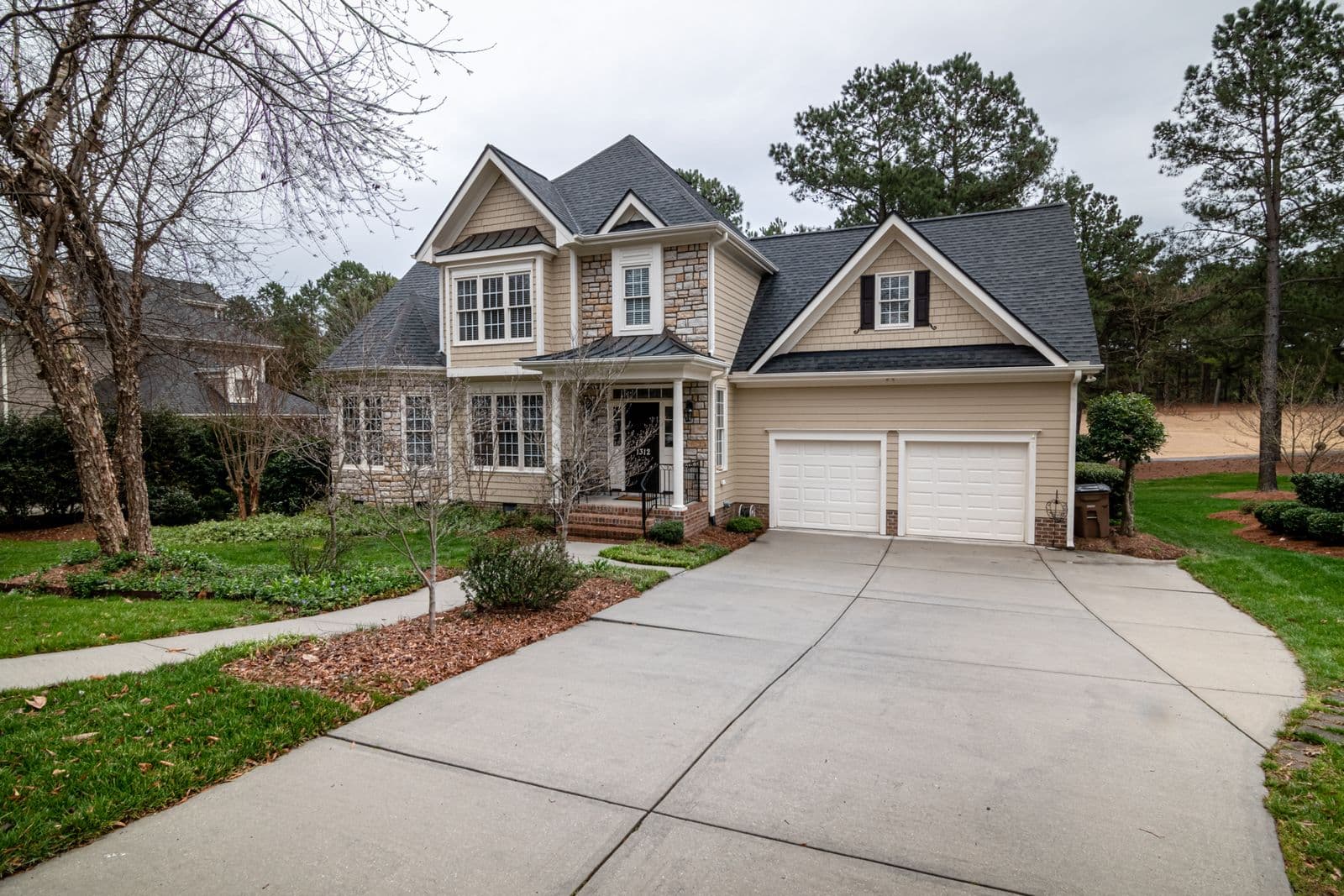
Choosing a new driveway material is a major investment for your Central Florida home, and you want to get it right the first time. The three main options—concrete, asphalt, and pavers—all have their pros and cons, but one stands out as the clear winner for our unique climate of intense sun, heavy rain, and sandy soil. As a licensed local contractor, we've seen what lasts and what doesn't here in Marion, Lake, and Citrus counties. This guide cuts through the sales pitches to give you a straight-up comparison.
A Head-to-Head Comparison: The Big Picture
Before we dive into the details, here’s a quick overview of how concrete, asphalt, and pavers stack up against each other for a typical home in the Ocala area.
| Feature | Concrete Driveway | Asphalt (Blacktop) Driveway | Paver Driveway |
|---|---|---|---|
| Avg. Lifespan (FL) | 30 - 50+ years | 15 - 25 years | 25 - 50 years (with issues) |
| Initial Cost (2026) | Moderate ($8 - $18/sq. ft.) | Low ($5 - $12/sq. ft.) | High ($15 - $30+/sq. ft.) |
| Maintenance Needs | Low (seal every 3-5 years) | High (seal every 1-3 years) | High (sanding, weeding, leveling) |
| Heat Resistance | Good (reflects heat) | Poor (absorbs heat, gets soft) | Good (reflects heat) |
| Durability | Excellent | Fair (can rut, crack) | Good (individual units can shift) |
| Resale Value | Excellent | Fair to Poor | Good |
Initial Cost: What to Budget in 2026
Your upfront investment is a huge factor. These 2026 cost ranges for Central Florida include professional installation, site preparation, and materials. Remember, every project is different, and only an on-site estimate can give you a firm price.
Concrete Driveway Cost
For a standard broom-finished concrete driveway, Ocala homeowners can expect to invest $8 to $18 per square foot. The final price depends on the thickness of the slab, the amount of site prep needed (like removing an old driveway), and access to the site. If you're interested in stamped or decorative concrete, the cost will be higher due to the extra labor and materials involved.
Asphalt Driveway Cost
Asphalt is often seen as the budget option, typically running $5 to $12 per square foot. While the initial savings are tempting, it's crucial to factor in the much higher long-term maintenance costs and shorter lifespan, which we'll cover next.
Paver Driveway Cost
Pavers are the most expensive option upfront, usually costing $15 to $30 per square foot, and sometimes more for intricate patterns or high-end materials. The price is driven by the labor-intensive installation process, which involves preparing a deep base, laying each paver by hand, and cutting them to fit.
Lifespan & Durability in the Florida Climate
A cheap driveway that fails in ten years isn't a good value. Here’s how the materials hold up to the Florida sun, rain, and soil.
Concrete: The Long-Term Champion
A professionally installed concrete driveway is built to last 30 to 50 years, or even longer. Concrete is a rigid pavement, giving it the strength to handle the weight of cars, trucks, and even the RV or boat many of us have parked at home.
Here in Central Florida, we deal with sandy soil that can shift. A proper concrete installation accounts for this. We pour our concrete slabs at the correct thickness (a minimum of 4 inches for a driveway) over a compacted sub-base and use steel rebar reinforcement to create a monolithic, incredibly strong surface. We also cut precise control joints, which encourage any cracking from thermal expansion to happen in a clean, straight line where it's nearly invisible.
Asphalt: A Victim of the Sun
Asphalt has a significantly shorter lifespan in our climate, typically 15 to 25 years. The biggest enemy is the relentless Florida sun. The UV rays break down the petroleum binders in the asphalt, causing it to become brittle and crack. In the peak of a Summerfield or Ocklawaha summer, it can also get soft and sticky, making it prone to ruts and tire marks. It simply wasn't designed for this level of heat and sun exposure.
Pavers: Strong, But with a Weakness
Individual pavers are very strong, and a paver driveway can last 25 to 50 years. The problem isn't the pavers themselves; it's what's between them and what's under them. Our sandy soil and torrential afternoon downpours create two major issues:
- Shifting & Sinking: If the sub-base isn't perfectly prepared and compacted, pavers will inevitably sink and shift over time, creating an uneven, bumpy surface.
- Weeds & Ants: The sand-filled joints between pavers are a perfect home for weeds and ant hills. You’ll be fighting a constant battle with weeding and spraying, and you'll need to re-sand the joints every couple of years.
Maintenance & Long-Term Upkeep
The work isn't over once the driveway is installed. Consider the time and money you'll spend on upkeep.
Concrete: Set It and (Mostly) Forget It
Concrete is the clear winner for low maintenance.
- Cleaning: An occasional pressure wash is all it takes to remove dirt and mildew.
- Sealing: Applying a quality sealer every 3-5 years is recommended. This protects the surface from stains and moisture, keeping it looking new for decades.
Asphalt: A Cycle of Sealing
Asphalt requires the most maintenance. To protect it from the sun and prevent cracking, you must apply a sealcoat every 1 to 3 years. This is a messy, smelly job that costs several hundred dollars each time. If you don't do it, the asphalt will quickly degrade and require expensive repairs or premature replacement.
Pavers: Constant Weeding and Re-sanding
Pavers demand regular attention. You’ll need to pull weeds from the joints or spray them with herbicide constantly. Every few years, you'll also need to sweep new polymeric sand into the joints to replace what has washed out and to help lock the pavers in place. If pavers sink or become uneven, they must be pulled up, the base re-leveled, and the pavers re-laid, which can be a tedious process.
The Verdict for Central Florida Homeowners
For the vast majority of homes in Ocala, The Villages, Leesburg, and across Central Florida, a professionally installed concrete driveway is the smartest investment.
While asphalt is cheaper upfront, its short lifespan and high maintenance costs make it a poor long-term value in our sunny climate. Pavers offer a high-end look but come with a high price tag and the constant headache of weeds and shifting.
Concrete hits the sweet spot. It offers unmatched durability and strength, an incredible lifespan, and the lowest maintenance requirements of all three options. It stands up to our heat, resists our heavy rains, and adds significant, lasting value to your property. From a simple broom finish to beautiful stamped patterns, concrete flatwork provides a clean, classic, and reliable surface that you can count on for decades.
Frequently Asked Questions
What about cracks in concrete?
Modern concrete installation techniques, like using steel rebar and cutting control joints, manage cracking effectively. These planned joints give the concrete a place to crack in a straight, clean line as it expands and contracts, preventing random, ugly cracks from forming elsewhere.
Is a concrete driveway hotter than pavers?
No. Both concrete and pavers have a lighter color and reflect solar heat, making them much cooler to the touch than black asphalt. An asphalt driveway can become dangerously hot in the Florida summer sun, while concrete remains comfortable to walk on.
Do I need a permit for a new driveway in Marion County?
Yes, in most cases, replacing or installing a new driveway in Marion County requires a permit to ensure the work is done to code, especially regarding the apron's connection to the public right-of-way. As a licensed contractor (Marion County, FL #18069), we handle the entire permitting process for our clients. You can learn more about our commitment to professional standards on our about page.
How long until I can drive on my new concrete driveway?
We recommend waiting at least 7 full days before driving passenger cars on your new concrete driveway. The concrete needs this time to cure and reach sufficient strength. For heavier vehicles like work trucks or RVs, it's best to wait 14 to 28 days.
Ready to invest in a driveway that will last for decades and boost your home's curb appeal? CSP Concrete offers durable, professionally installed concrete driveways across Marion, Lake, and Citrus Counties. Call us today at (321) 239-6046 or request your free, no-pressure estimate online.