
Equestrian Concrete
Farm & Ranch Driveways in Ocala: Concrete vs. Gravel
Comparing concrete, gravel, and asphalt for Ocala farm and ranch driveways. Learn about cost, maintenance, and durability for horse trailers and heavy trucks.
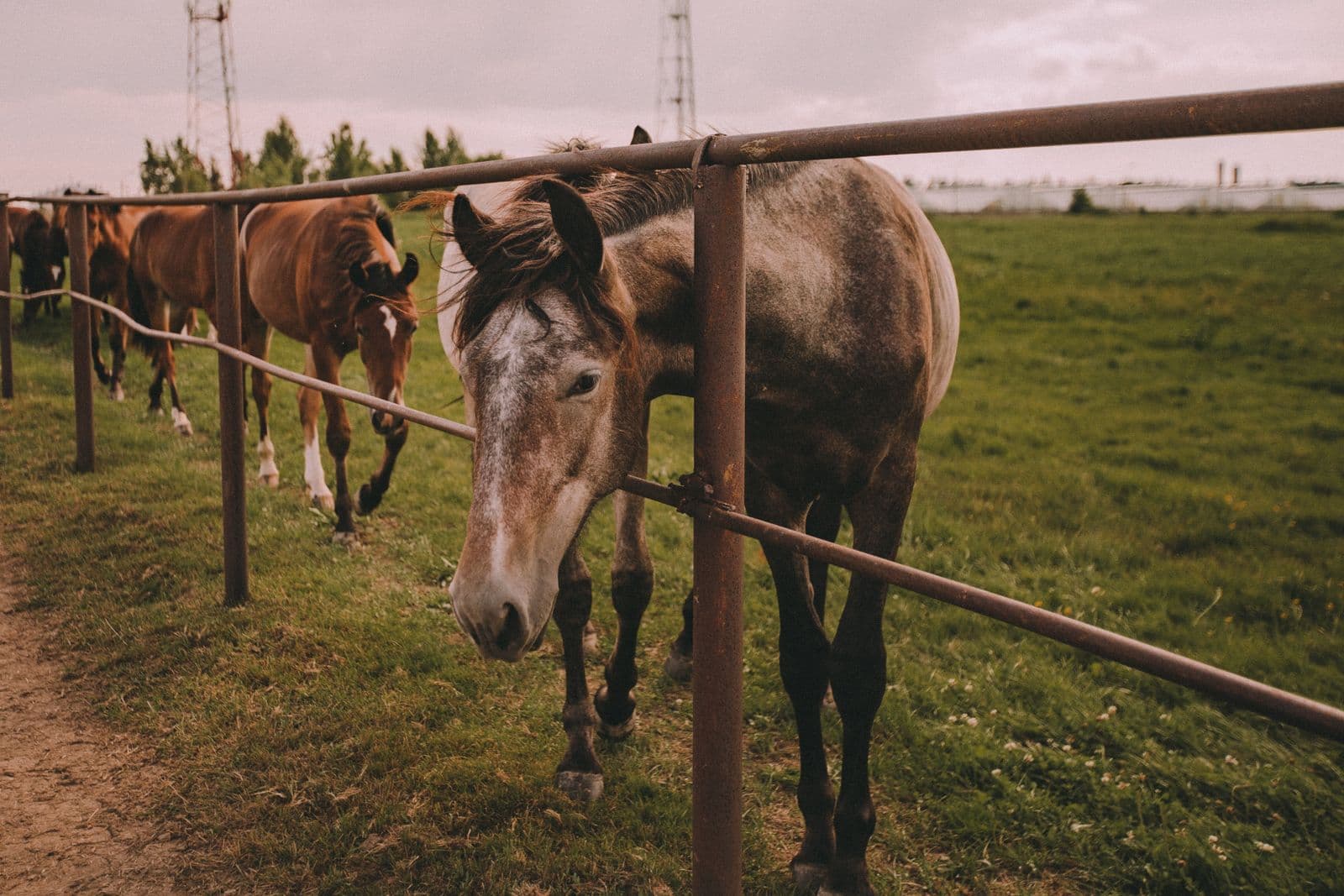
Your driveway is the handshake of your Ocala horse property. For a farm or ranch, it’s more than just a path to the house; it’s a work surface that has to stand up to loaded horse trailers, feed trucks, tractors, and Florida's rainy season without turning into a muddy mess. Choosing the right material is one of the most important decisions you'll make for the function and value of your property.
Here at CSP Concrete, we’ve installed miles of driveways on equestrian properties all over Marion County. We understand the unique demands of a working farm entrance. Let's break down the real-world differences between gravel, asphalt, and concrete so you can make the best choice for your land.
The Main Driveway Choices for Ocala Farms
When you're planning a long driveway for a ranch or horse farm, you're usually looking at three options: gravel, asphalt, or concrete. Each has its place, but they are not created equal when it comes to durability, maintenance, and long-term cost in our Central Florida climate.
Gravel Driveways: The Low Upfront Cost Option
Gravel is the traditional choice for rural properties, mainly because it's the cheapest to install. A truck comes, dumps piles of crushed rock, and a tractor spreads it out.
- Pros: The initial installation cost is the lowest of any option. It has a classic, rustic look that fits the farm aesthetic.
- Cons: The savings end right after installation. Gravel driveways require constant maintenance. Florida downpours create ruts and washouts, meaning you'll be raking, grading, and adding more gravel every year or two. They kick up dust in the dry season and turn to mud in the wet season, which gets tracked everywhere—into your barn, your house, and your truck. Loose gravel can also be tough on tires and isn't ideal for a clean, professional-looking entrance.
For a working horse property near Ocala, a gravel-only driveway often creates more headaches than it solves.
Asphalt Driveways: The Middle Ground
Asphalt (or "blacktop") is what you see on most public roads. It offers a smoother surface than gravel and costs less upfront than concrete.
- Pros: Cheaper initial cost than concrete. Provides a solid, smooth surface.
- Cons: Asphalt doesn't love the intense Florida sun. It softens in the heat, making it susceptible to damage from the heavy point loads of tractor tires or the landing gear on a large horse trailer. It requires regular resealing (every 3-5 years) to prevent cracking and deterioration, which is a recurring cost. Repairs are often noticeable and patching can look messy. Over time, it just doesn't have the rigidity to stand up to the daily abuse on a farm.
Concrete Driveways: The Permanent Solution
A concrete driveway is the gold standard for durability and strength, making it the best long-term investment for a serious equestrian property or ranch.
- Pros: Unmatched strength and longevity. A properly installed concrete farm driveway can last for 30+ years with very little maintenance. It easily handles the weight of semi-trucks delivering hay, heavy equipment, and the largest living-quarters horse trailers. It provides a clean, mud-free, and dust-free surface year-round, which is a huge benefit for keeping stalls and homes clean. It also significantly increases your property's value and curb appeal.
- Cons: The upfront cost is the highest. Installation is a more involved process requiring proper site prep, forming, and finishing. But when you factor in the cost of re-graveling every few years or resealing asphalt, concrete often proves to be the most cost-effective choice over the life of your farm.
Driveway Surface Comparison for Farm Use
This table gives a straightforward look at how the three main options stack up for a working Marion County property.
| Surface | Upfront Cost (per sq. ft.) | Long-Term Maintenance | Best For |
|---|---|---|---|
| Gravel | Low ($2 - $5) | High (annual regrading & refill) | The tightest budgets; temporary access roads. |
| Asphalt | Medium ($5 - $10) | Medium (resealing every 3-5 years) | Paved look for less initial cost, but not ideal for heavy farm traffic. |
| Concrete | High ($9 - $16+) | Very Low (occasional cleaning) | Longevity, heavy loads (trucks, trailers, tractors), property value, and a clean farm. |
Note: Prices are 2026 estimates for Central Florida and can vary widely based on site preparation, driveway length, and material costs. For an exact price, you need an on-site estimate.
Critical Details for a Farm-Tough Driveway
No matter the surface, a farm driveway isn't just about the material. It's about how it's built.
How Thick Should a Driveway Be for Horse Trailers and Trucks?
For a standard residential driveway that only sees cars and light trucks, 4 inches of concrete is usually sufficient. This is not enough for a farm driveway.
We always recommend a minimum thickness of 5 to 6 inches for any driveway that will see regular use from horse trailers, tractors, feed trucks, or RVs. The extra thickness, combined with proper rebar or wire mesh reinforcement, distributes the weight of heavy vehicles and prevents the cracking and failure you'd see with a thinner slab. This is a crucial part of our equestrian concrete work.
The Driveway Apron: Your Connection to the Road
The "apron" is the section of the driveway that connects your property to the public road. In Marion County, this area is typically within the county right-of-way. Because it sees a lot of turning stress from vehicles, it's the most important part of your driveway to get right.
Even if you opt for a long gravel driveway to save money, we strongly advise installing a solid concrete apron. A concrete apron prevents your gravel from washing out into the road, eliminates ruts where your tires leave the pavement, and provides a durable, clean entry point. It's a non-negotiable for a professional-looking and functional farm entrance.
Hybrid Driveways: The Best of Both Worlds
For very long ranch driveways where a full concrete pour might be cost-prohibitive, a hybrid approach is a fantastic solution.
- Concrete Apron with Gravel Drive: This is the most popular and practical choice. You get a strong, permanent entrance with a concrete apron (and maybe the first 20-50 feet of driveway) and then transition to a more budget-friendly gravel for the long stretch back to the barn or house.
- Concrete "Ribbon" Strips: This involves pouring two parallel strips of concrete, each about 2-3 feet wide, for your vehicle's tires to run on. The area between the strips can be filled with gravel or grass. It uses significantly less concrete than a full slab but still gives you a solid, mud-free path for your main traffic.
These custom flatwork solutions allow you to get the benefits of concrete where it matters most while managing the budget for a large property.
Frequently Asked Questions
Is a concrete or gravel driveway better for a farm?
For long-term durability, low maintenance, and handling heavy loads like horse trailers and tractors, a concrete driveway is far superior. While gravel is cheaper upfront, it requires constant upkeep and creates mud and dust issues that concrete solves permanently.
How thick should a driveway be for horse trailers and trucks?
A farm driveway needs to be at least 5 to 6 inches thick, reinforced with rebar. A standard 4-inch residential driveway is not strong enough and will crack under the weight of heavy farm equipment and loaded trailers.
How much does a concrete farm driveway cost?
In the Ocala area, a properly installed concrete farm driveway can range from $9 to $16+ per square foot, depending on thickness, site prep, and length. The best way to get an accurate price for your specific property is to get a free on-site estimate.
Do I need a permit for a driveway apron in Marion County?
Yes, any work performed in the county right-of-way, which includes constructing or modifying a driveway apron where it meets a public road, typically requires a permit from Marion County. As a licensed contractor (Marion County #18069), we handle the permitting process for our clients.
Can you do long ranch driveways near the World Equestrian Center?
Absolutely. We specialize in concrete work for equestrian properties and regularly work with farm owners and builders on projects of all sizes throughout Ocala and Marion County, including the areas surrounding the World Equestrian Center (WEC).
Ready to put an end to muddy, rutted driveway problems on your farm? Give CSP Concrete a call at (321) 239-6046 to talk about your project. We'll come out to your property, listen to your needs, and give you a free, no-pressure estimate for a driveway that will last. You can also request your free estimate online through our contact page.