Concrete Care
How Long Does Concrete Take to Cure? (And When Can You Use It)
Learn how long new concrete takes to cure in Florida, when you can walk or drive on it, and why proper curing is crucial for your driveway or patio's lifespan.
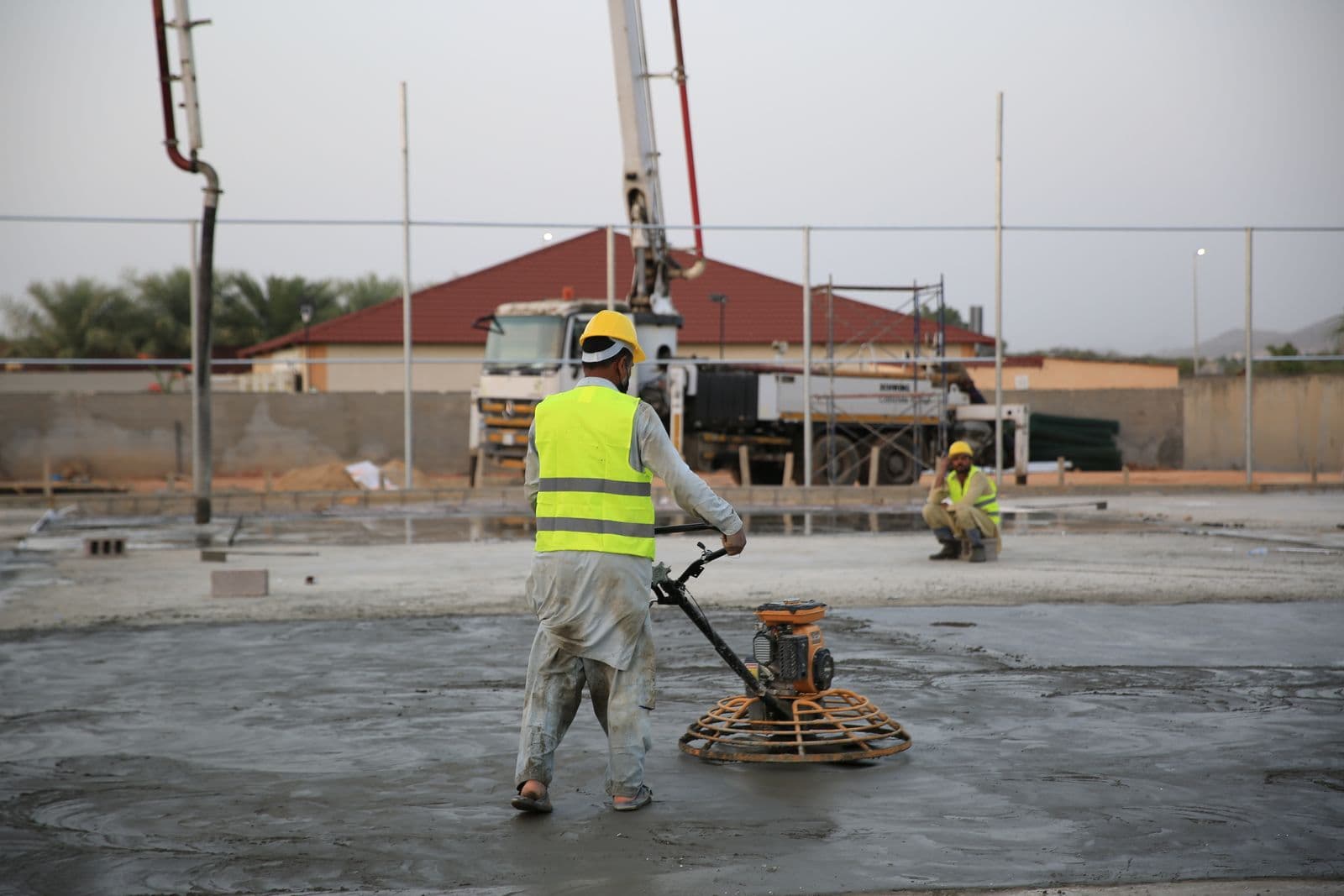
It’s one of the first questions we get after pouring a new driveway or patio here in Ocala: "How long until I can use it?" It's a great question, because the answer is more than just a number—it’s about protecting your investment. The key is understanding that concrete doesn't just "dry" like paint; it "cures" through a chemical process that gives it incredible strength, and rushing it can cause problems down the road.
Setting vs. Curing: What's the Difference?
People often use the terms "drying," "setting," and "curing" interchangeably, but for a concrete contractor, they mean very different things. Getting this right is the secret to a slab that lasts for decades.
Setting: This is the initial stiffening of the concrete mix. It's the transition from a liquid state to a solid one. The concrete will be "hard to the touch" within a few hours, but it has almost no structural strength at this point. You could easily scratch or gouge it.
Curing: This is the real magic. Curing is a chemical reaction called hydration, where water in the mix reacts with the cement particles to form bonds. These bonds are what give concrete its immense strength. This process happens rapidly at first and then continues for weeks, months, and even years, just at a much slower pace. Proper curing requires maintaining the right moisture and temperature, especially in the first week.
Think of it like this: Setting is when the cake batter becomes a solid cake in the oven. Curing is letting it cool and set up properly so you can slice it without it crumbling into a mess.
Your New Concrete Timeline: When Can You Use It?
Here’s a general timeline for a typical residential concrete project like a driveway or patio in Marion County. Keep in mind these are guidelines—we'll always give you specific instructions for your project.
24 to 48 Hours: Walking and Light Foot Traffic
After about a full day, the concrete has set enough to handle the weight of a person. You can carefully walk on your new sidewalk or patio. However, the surface is still "green" and very susceptible to damage.
- Keep pets off: Their claws will leave permanent scratches.
- No heavy furniture: Don't drag your grill or patio set across it yet.
- No bikes or skateboards: The focused pressure from small wheels can cause marks or chips.
Gentle foot traffic is okay, but it's best to stay off it as much as possible for the first two days.
7 Days: Driving a Car on Your New Driveway
This is the milestone everyone with a new driveway asks about. For a standard passenger car or light SUV, you should wait a minimum of 7 full days before driving or parking on your new concrete.
By this point, the concrete has typically reached about 70% of its final design strength. It’s strong enough to handle the weight of a family car without stress. However, avoid turning your wheels sharply while the car is stationary, as this can still scuff the surface.
Important: This 7-day rule does NOT apply to heavy vehicles. Do not park your work van, RV, boat trailer, or allow a moving truck or garbage truck onto the slab yet.
28 Days: The "Full Cure" Milestone
The 28-day mark is the industry standard for when concrete is considered to have reached its specified compressive strength (e.g., 3000 PSI or 4000 PSI). After four weeks, the hydration process has slowed significantly, and the slab is ready for almost anything.
At this point, it's generally safe for heavier vehicles like RVs and delivery trucks. You can place heavy planters, install a permanent basketball hoop, or anchor an equipment shed to your concrete slab. Your concrete is now fully operational and ready to serve you for years to come.
The Florida Factor: Curing Concrete in Ocala's Heat and Humidity
Pouring concrete in Central Florida presents unique challenges that we're experts at managing. The intense sun, high heat, and sudden afternoon downpours can wreak havoc on a curing slab if you don't know what you're doing.
The biggest enemy is premature drying. The hot Florida sun can bake the surface of new concrete, causing the water to evaporate too quickly. When this happens, the hydration process (curing) stops, and the concrete never reaches its full potential strength. This leads to a weak, porous surface that's prone to "spalling" (flaking) and excessive shrinkage cracking.
As your local Ocala contractor, we take specific steps to ensure a proper cure, even in the summer heat:
- Timing the Pour: We watch the weather forecast like hawks, aiming to pour early in the morning to avoid the peak heat of the day and those notorious afternoon thunderstorms.
- Using Curing Compounds: Immediately after finishing the concrete, we often apply a liquid curing compound. This spray-on membrane forms a thin, clear film that locks moisture into the slab, allowing it to cure properly from within, even under the hot sun.
- Controlling the Mix: We work with our suppliers to get a concrete mix designed for our local conditions, sometimes using additives that help control the set time.
This local expertise is part of what makes working with an experienced, licensed contractor like CSP Concrete so valuable. We understand the unique demands of building in Marion, Lake, and Citrus counties.
New Concrete Care: Do's and Don'ts for the First Month
To help your new concrete reach maximum strength and look its best, follow these simple rules for the first 28 days.
| What to DO | What NOT to Do |
|---|---|
| DO follow our specific timeline for use. | DON'T drive on it before 7 full days (for cars). |
| DO keep pets, bikes, and toys off for 48-72 hours. | DON'T allow heavy trucks (garbage, delivery, RVs) on it for 28 days. |
| DO water the slab lightly with a hose on hot, dry days for the first week if we advise it. | DON'T let water pool on the surface for long periods. |
| DO clean up spills like oil or fertilizer immediately. | DON'T use de-icing salts (not a big Florida issue, but good to know). |
| DO wait 28 days before sealing the concrete (if you plan to). | DON'T drag heavy, sharp objects across the surface. |
| DO call us if you see any concerning cracks or issues. | DON'T park on the absolute edges of the slab where it's weakest. |
Frequently Asked Questions
Why did my new concrete get white, chalky spots?
This is likely efflorescence. It's a harmless salty deposit left behind as water evaporates from the concrete. It's very common in humid places like Florida and usually wears away on its own with time and rain. It can be cleaned off with a stiff brush and water if it bothers you.
When can I seal my new concrete driveway?
You must wait until the concrete is fully cured before applying a sealer. Sealing too early can trap moisture, which can cause cloudiness or adhesion failure. The safe bet is to wait at least 28 days.
Is it okay if it rains on my new concrete?
It depends on when it rains. A light rain several hours after the concrete has been finished and is hard to the touch is usually harmless and can even help with curing. However, a heavy downpour on freshly placed, wet concrete is a disaster that can wash away the surface paste and ruin the finish. As professionals, we take every precaution to avoid this.
Do small hairline cracks mean my concrete is bad?
Not necessarily. Small, non-structural hairline cracks (shrinkage cracks) are a normal and expected characteristic of concrete as it cures and loses volume. However, if you see large, deep cracks, cracks that are growing, or cracks where one side is higher than the other, that could indicate a problem with the subgrade or the pour itself. This is why proper site preparation is one of the most important parts of our job.
Protecting your new concrete during its first month is the single best thing you can do to ensure it looks great and lasts a lifetime. If you have any questions about the curing process or are ready to start your next project, the team at CSP Concrete is here to help. As a licensed (Marion County #18069) and insured local business, we provide the expertise and quality workmanship your home deserves.
Give us a call at (321) 239-6046 or request your free, no-pressure estimate online today