Concrete Slabs
How Thick Should a Concrete Driveway or Slab Be?
Learn the right concrete thickness for your Ocala, FL driveway or slab. CSP Concrete explains why 4 inches isn't always enough for Florida's soil and heavy loads.
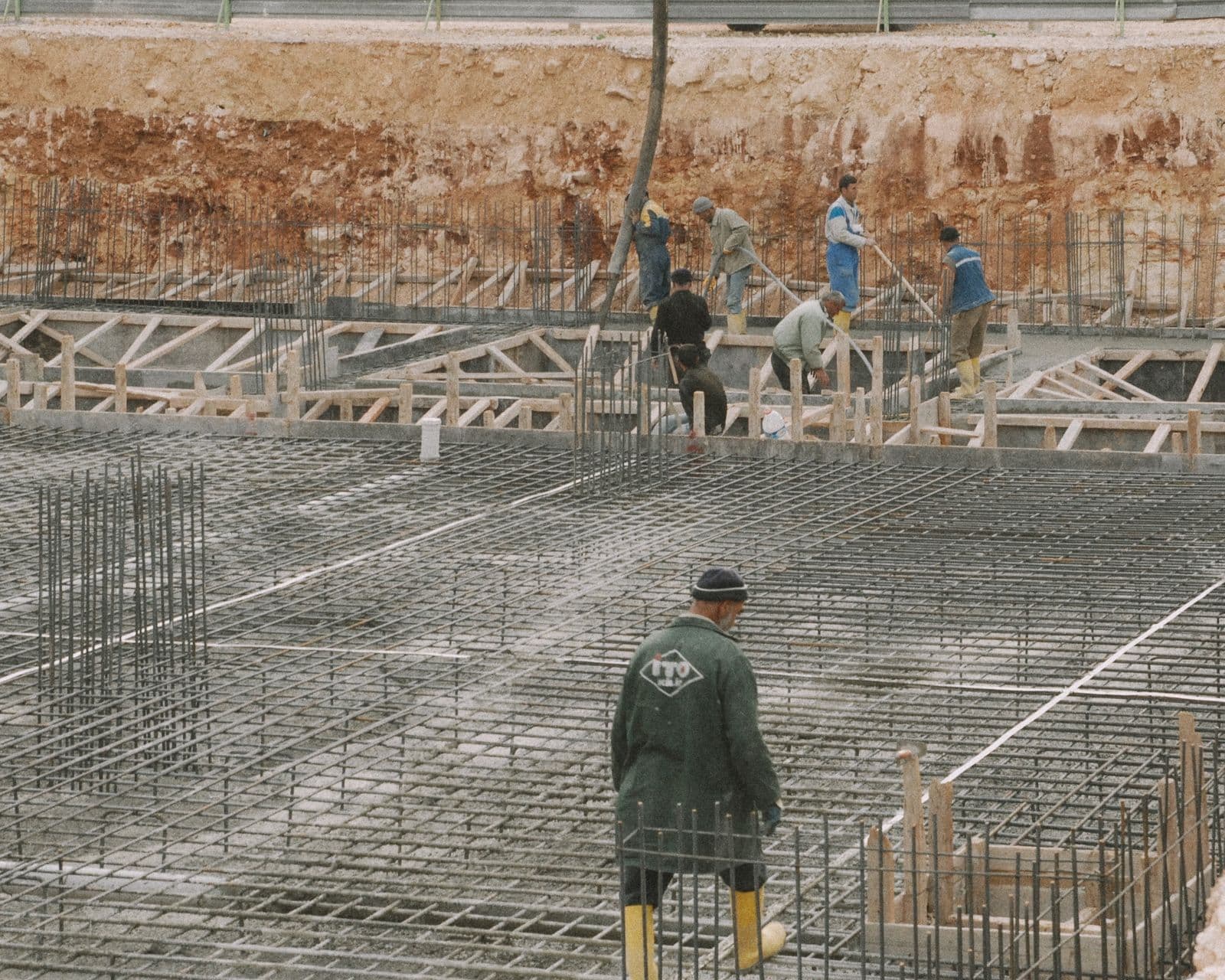
It’s one of the first questions we get from homeowners in Ocala, The Villages, and across Central Florida: "How thick does my concrete need to be?" It's a great question, because getting the thickness right is the single most important factor in making sure your new driveway, patio, or slab lasts for decades instead of cracking in just a few years. The simple answer is "it depends," but the right answer involves understanding what you'll use it for and our unique Florida conditions.
Here at CSP Concrete, we believe in doing the job right the first time. That means pouring concrete that’s built to handle your specific needs, the Florida heat, our sandy soil, and those heavy afternoon downpours. Let’s break down the proper thickness for your project so you can make an informed decision.
Why Concrete Thickness is Critical
Think of concrete thickness as the backbone of your project. A slab that's too thin for the weight it has to bear is guaranteed to fail. The force from a vehicle or a heavy piece of equipment gets distributed through the concrete into the ground beneath it. If the slab is too thin, the stress becomes concentrated in small areas, leading to spiderweb cracks, corner breaks, and eventually, total failure.
In Marion County, our sandy soil is another huge factor. Sand doesn't compact as firmly as clay or rock-based soils. This means the prepared base underneath your slab is doing a lot of work. A thicker slab provides more rigidity and structural integrity, helping to bridge any minor soft spots in the subgrade and resist the shifting that can happen during our wet and dry seasons. Skimping on an inch of concrete to save a few dollars is the most expensive mistake you can make.
Driveway Concrete Thickness: Not One-Size-Fits-All
Your driveway takes more abuse than any other concrete on your property. The right thickness depends entirely on what you plan to park on it.
Standard Cars, SUVs, and Light Trucks: 4 Inches
For a typical residential driveway that will only see standard passenger vehicles—like a sedan, an SUV, or a regular-duty pickup truck—a 4-inch thick slab is the industry standard and minimum requirement.
When poured correctly over a well-compacted base with a proper 3,000 to 4,000 PSI concrete mix and steel reinforcement, a 4-inch driveway will provide years of reliable service. This is sufficient for the daily traffic of most families in communities like Silver Springs or Summerfield.
RVs, Boats, Work Vans, or Heavy Trucks: 5 to 6 Inches
This is where many people get it wrong. If you own a heavy vehicle, a 4-inch driveway is not enough. This includes:
- Class A, B, or C motorhomes (RVs)
- Heavy-duty work trucks (like a Ford F-250 or bigger)
- Trailers carrying heavy boats or equipment
- Delivery trucks (garbage trucks, septic service, etc.)
For these heavier loads, you need a 5-inch or even a 6-inch thick driveway. That extra one or two inches dramatically increases the concrete's load-bearing capacity. While a 5-inch slab is 25% thicker than a 4-inch slab, it's approximately 50% stronger. This is a huge gain in strength and longevity for a relatively small increase in upfront cost. If you have an RV or a big boat, investing in a 6-inch slab is the smartest decision you can make to protect your property.
Slab Thickness for Other Common Projects
The same principles apply to other concrete flatwork projects around your home. The thickness should always match the intended load.
Sidewalks and Patios: 4 Inches
For areas that will only ever see foot traffic and light patio furniture, a 4-inch thick slab is perfectly adequate. This provides plenty of strength and durability for walkways, garden paths, and standard backyard patios where you'll have a grill and some chairs.
Shed Slabs: 4 to 5 Inches
For a typical resin or small wood shed from a home improvement store used for storing lawnmowers and garden tools, a 4-inch slab is generally fine. However, if you're building a larger, more substantial workshop, planning to store very heavy equipment, or building a structure with a wood floor you'll be parking a vehicle on, upgrading to a 5-inch slab with a thickened perimeter (haunch) is a wise investment.
Garage Slabs and Foundations: 4 to 6 Inches
A garage slab is a foundational element of your home. While Marion County code may only require 4 inches, we often recommend more. A 4-inch slab is the absolute minimum.
We strongly advise a 5-inch or 6-inch thick garage slab if you:
- Park a heavy truck or SUV in the garage.
- Plan to use a car lift.
- Have heavy professional-grade tool chests or workshop equipment.
- Want the maximum possible durability for your home's foundation.
A thicker garage concrete slab provides peace of mind and ensures the floor can handle anything you throw at it for the life of your home.
Thickness Recommendations at a Glance
| Use Case | Minimum Thickness | CSP Recommended Thickness | Why the Recommendation? |
|---|---|---|---|
| Standard Driveway (Cars/SUVs) | 4" | 4" | Sufficient for standard residential vehicle loads. |
| RV / Heavy Truck Driveway | 4" | 5" - 6" | Drastically increases strength to prevent cracks from heavy loads. |
| Patio / Walkway | 4" | 4" | Ample strength for foot traffic and outdoor furniture. |
| Standard Shed Slab | 4" | 4" | Suitable for typical lawn equipment and storage sheds. |
| Garage / Workshop Slab | 4" | 5" | Better protection against heavy vehicles, tools, and potential cracks. |
The Three Pillars of a Strong Concrete Slab
Thickness is just one part of the equation. For a slab to last in Central Florida, it needs to be built on three pillars: a solid base, the right concrete mix, and proper reinforcement.
1. The Compacted Base
You can pour a 12-inch thick slab of the best concrete, but if the ground underneath it is soft and poorly prepared, it will fail. This is the most critical step. We ensure the subgrade is properly graded for drainage and compacted thoroughly. In our sandy soil, this often means bringing in and compacting a base layer of crushed concrete or lime rock to create a stable, unyielding platform for your new concrete.
2. The Concrete Mix (PSI)
Concrete strength is measured in PSI (Pounds per Square Inch). For exterior flatwork like driveways and patios, a 3,000 to 4,000 PSI mix is standard. We never use lower-strength "bag mix" concrete for structural work. We order professionally batched concrete from a local plant, ensuring it has the correct water-to-cement ratio and additives for durability in the Florida climate.
3. Steel Reinforcement
Concrete is incredibly strong under compression (squeezing) but weak under tension (pulling apart). Steel reinforcement, like wire mesh or steel rebar, provides the tensile strength it lacks. When the ground shifts or a heavy load causes the slab to flex, the steel holds it together and prevents small cracks from growing and separating. For driveways and garage slabs in Florida, reinforcement isn't optional—it's essential for a long-lasting job.
As a licensed and insured contractor (Marion County, FL #18069), we handle all aspects of the job professionally, including any necessary permits. You can learn more about our commitment to quality on our about page.
Frequently Asked Questions
How thick should a concrete sidewalk be?
For residential sidewalks that only see foot traffic, bicycles, and lawnmowers, a 4-inch thick slab is the standard and is perfectly sufficient for durability.
Do I really need rebar in my Ocala driveway?
Yes, we highly recommend it. Given Central Florida's sandy soil, which can shift, and our cycles of heavy rain and dry heat, rebar provides critical tensile strength. It helps control cracking and holds the slab together, significantly extending the life of your driveway.
Can you pour a new driveway over an old, cracked one?
This is generally a bad idea and something we advise against. Pouring a thin layer over a failing base slab just transfers the existing cracks to the new surface, leading to rapid failure. The proper method is complete removal of the old concrete and starting with a properly prepared base. View all our services to see how we handle removal and replacement.
How much thicker should a slab be for a metal building?
This depends heavily on the building's size, weight, and how it will be anchored. Most engineered metal buildings require a slab that is 5 to 6 inches thick with a "thickened edge" or "footer" around the perimeter where the posts will be anchored. This must be done to the building manufacturer's specifications.
Getting the thickness and preparation right is key to a concrete project you'll be happy with for decades. If you're in Ocala, Leesburg, Inverness, or anywhere in Marion, Lake, or Citrus County, we're here to help. Give CSP Concrete a call at (321) 239-6046 or request your free, no-pressure estimate online today.