Concrete Maintenance
How to Maintain & Seal Concrete in Florida
A Florida contractor's guide to maintaining and sealing your concrete driveway, patio, or slab. Learn how to clean, seal, and protect your concrete from sun and rain.
Your concrete driveway, patio, and walkways are built tough, but they aren't invincible—especially not here in Central Florida. The intense sun, heavy rains, and high humidity demand a little proactive care to keep your concrete from cracking, staining, and deteriorating. A little bit of maintenance goes a long way in protecting your investment and preventing the need for a costly replacement down the road.
Why Concrete Maintenance Matters in Central Florida
Think of concrete maintenance as preventative care for your home's exterior. In places like Ocala, The Villages, and Leesburg, we face a unique set of challenges that can wreak havoc on unprotected concrete.
- Intense UV Rays: The relentless Florida sun can break down the surface paste of concrete over time, weakening it and causing it to become more porous. For decorative or stamped concrete, it can also cause colors to fade significantly.
- Heavy Afternoon Rains: Our daily summer downpours can seep into unsealed concrete. When this water gets underneath your concrete slabs, it can erode the sandy soil base, leading to sinking, shifting, and major cracking.
- High Humidity: The constant moisture in the air creates the perfect breeding ground for mold, mildew, and algae, leaving ugly green and black stains that are not only an eyesore but can also become very slippery and dangerous.
- Stains and Spills: From leaking trash bags and car oil to rust stains from fertilizer pellets, porous concrete soaks up spills like a sponge, leaving permanent marks if not addressed quickly.
Proper cleaning and sealing create a protective barrier against these elements, extending the life of your concrete and keeping it looking its best for years.
The First Step: A Deep and Proper Cleaning
Before you can even think about sealing or repairing, you need to start with a perfectly clean surface. Sealing over dirt, oil, or mildew just traps it underneath and guarantees the sealer will fail.
Basic Cleaning & Pressure Washing
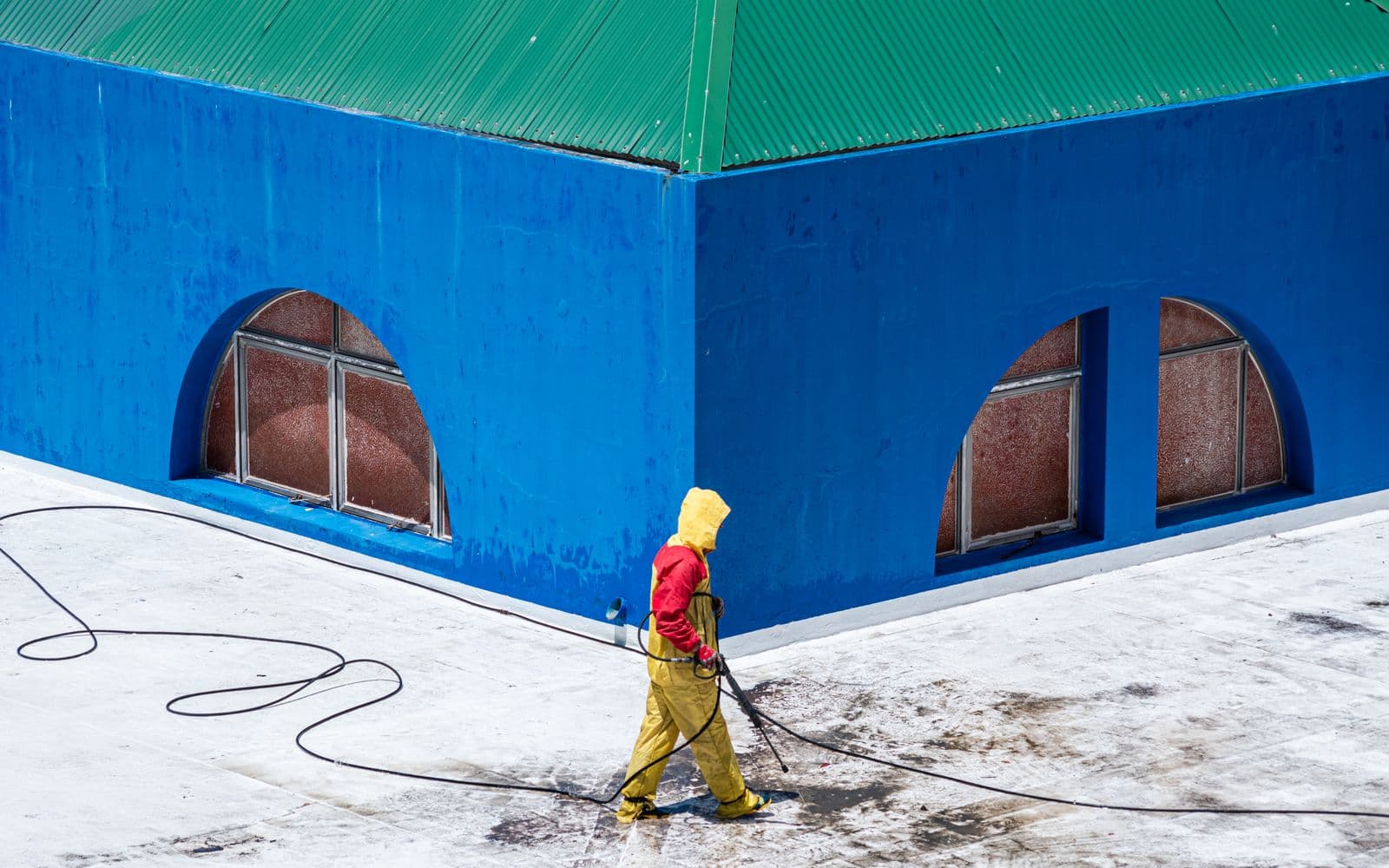
For general dirt and grime, a pressure washer is your best tool. However, using it incorrectly can do more harm than good by etching or "scarring" the surface.
- Use the Right Nozzle: Always use a fan-tip nozzle (25 or 40 degrees), never the zero-degree "pencil" jet.
- Keep It Moving: Use smooth, overlapping, sweeping motions. Don't hold the wand in one spot for too long.
- Watch the Pressure: For most residential concrete, a pressure washer rated between 1500 and 2500 PSI is plenty. Start with lower pressure and increase only if necessary.
Tackling Tough Florida Stains
- Mold, Mildew, and Algae: That green and black stuff is everywhere in Marion County. You can treat it with a 50/50 mix of household bleach and water. Apply it with a pump sprayer, let it sit for 10-15 minutes (but don't let it dry), scrub with a stiff brush, and then rinse thoroughly. Be sure to pre-wet and rinse any nearby plants or grass to protect them from the runoff.
- Oil and Grease: For fresh spills on a driveway, immediately cover the spot with cat litter or sawdust to absorb as much as possible. For older stains, you'll need a commercial concrete degreaser. Follow the product's instructions, which usually involve applying it, scrubbing, and rinsing.
- Rust Stains: Often caused by fertilizer overspray or metal outdoor furniture. These require a specific cleaner containing oxalic acid. These products are potent, so follow safety directions carefully.
Sealing Your Concrete: The Ultimate Protection
Sealing is the single most important thing you can do to protect your concrete flatwork. A quality sealer acts like a coat of armor, preventing water intrusion, blocking UV rays, resisting stains, and making future cleaning much easier.
CRITICAL: Wait 28 Days Before Sealing New Concrete
If you have a brand-new driveway or patio, you must wait before sealing it. Fresh concrete needs a minimum of 28 days to fully cure—a chemical process where it hardens and gains its strength. Sealing it too early traps moisture inside, which can cause the sealer to turn cloudy, peel off, and even compromise the strength of the concrete itself. Patience is key.
How Often Should You Seal Concrete in Florida?
The answer depends on the type of sealer and the amount of traffic and sun exposure.
- High-traffic driveways in full sun: May need resealing every 2-3 years.
- Shaded, low-traffic walkways or patios: May last 4-5 years or more.
A good rule of thumb is to perform a "splash test." Sprinkle some water on the surface. If it beads up nicely, your sealer is still working. If it soaks in and darkens the concrete, it's time to reseal.
Choosing the Right Sealer
There are two main categories of concrete sealers suitable for our climate:
- Penetrating Sealers (Silane/Siloxane): These soak into the concrete to form a hydrophobic barrier from within. They don't form a surface film or change the appearance, so they don't make the concrete slippery. This is the best choice for driveways, sidewalks, and any surface where you want maximum protection without a "wet look."
- Acrylic Sealers (Film-Forming): These form a protective layer on top of the concrete. They come in various sheen levels, from matte to high-gloss, and are great for enhancing the color of stamped or decorative concrete patios. Be aware that glossier versions can become slippery when wet; a non-slip additive can be mixed in to improve traction.
Cost of Concrete Sealing in Central Florida (2026 Estimates)
Costs can vary based on the size of the area, the amount of cleaning and prep work needed, and the quality of the sealer used. DIY is cheaper but requires time and the right equipment. Hiring a pro ensures the job is done right with commercial-grade products.
| Task | DIY Cost (per sq. ft.) | Professional Cost (per sq. ft.) | Notes |
|---|---|---|---|
| Pressure Washing | Equipment Rental | $0.30 - $0.75 | Professional cost often bundled with sealing. |
| DIY Sealing | $0.50 - $1.25 | N/A | Cost is for materials (sealer, sprayer, rollers). |
| Professional Sealing | N/A | $1.50 - $3.50 | Includes cleaning, prep, labor, and commercial-grade sealer. |
Disclaimer: These are market estimates. For a precise price on your project, you'll need an on-site evaluation.
Mind the Gaps: Cracks and Control Joints
Those lines you see cut into your driveway are called control joints. They are put there on purpose to encourage the concrete to crack in a straight, clean line as it shrinks and settles.
It's important to keep these joints and any other small cracks clean and sealed. Use a flexible, self-leveling sealant designed for concrete. This prevents water from getting under the slab and washing away the soil base—a major cause of sinking and large-scale failure in Florida.
If you see large cracks (wider than a credit card) or cracks where one side is higher than the other (heaving), this indicates a more serious problem with the foundation or sub-base. This is when you should call a professional from a company like our team at CSP Concrete for an assessment.
Frequently Asked Questions
How long after pouring new concrete can I seal it in Florida?
You must wait a minimum of 28 days for the concrete to fully cure before applying any sealer. Sealing too soon traps moisture and will cause the sealer to fail and can damage the concrete.
Should I pressure wash my concrete driveway myself?
You can, but it's crucial to use a wide fan-tip nozzle and keep the wand moving to avoid etching the surface. For tough stains or if you're unsure, hiring a professional ensures it's done safely and effectively.
What's the best sealer for a driveway in Ocala?
For a standard broom-finished driveway, a high-quality penetrating silane/siloxane sealer is best. It provides excellent water repellency without making the surface slick or changing its natural appearance.
Why are there cracks in my new concrete?
Hairline shrinkage cracks and cracks in the intended control joints are normal. However, large, separating, or uneven cracks may signal a problem with the sub-base and should be inspected by a qualified contractor.
Taking care of your concrete is a straightforward process that pays huge dividends. By keeping it clean, sealed, and addressing small issues before they become big ones, you can ensure your driveway, patio, and walkways serve you well for decades. If you have significant cracking, spalling, or sinking, it may be time for a professional repair or replacement. Give CSP Concrete a call at (321) 239-6046 or request a free estimate online and we’ll be happy to provide an honest, no-pressure assessment.