Foundations
Shed Foundations in Florida: Concrete Slab, Pad & Base Options
Discover the best foundation for a shed in Florida. Compare a concrete slab vs. gravel or blocks and see why a poured concrete pad is the top choice in Ocala.
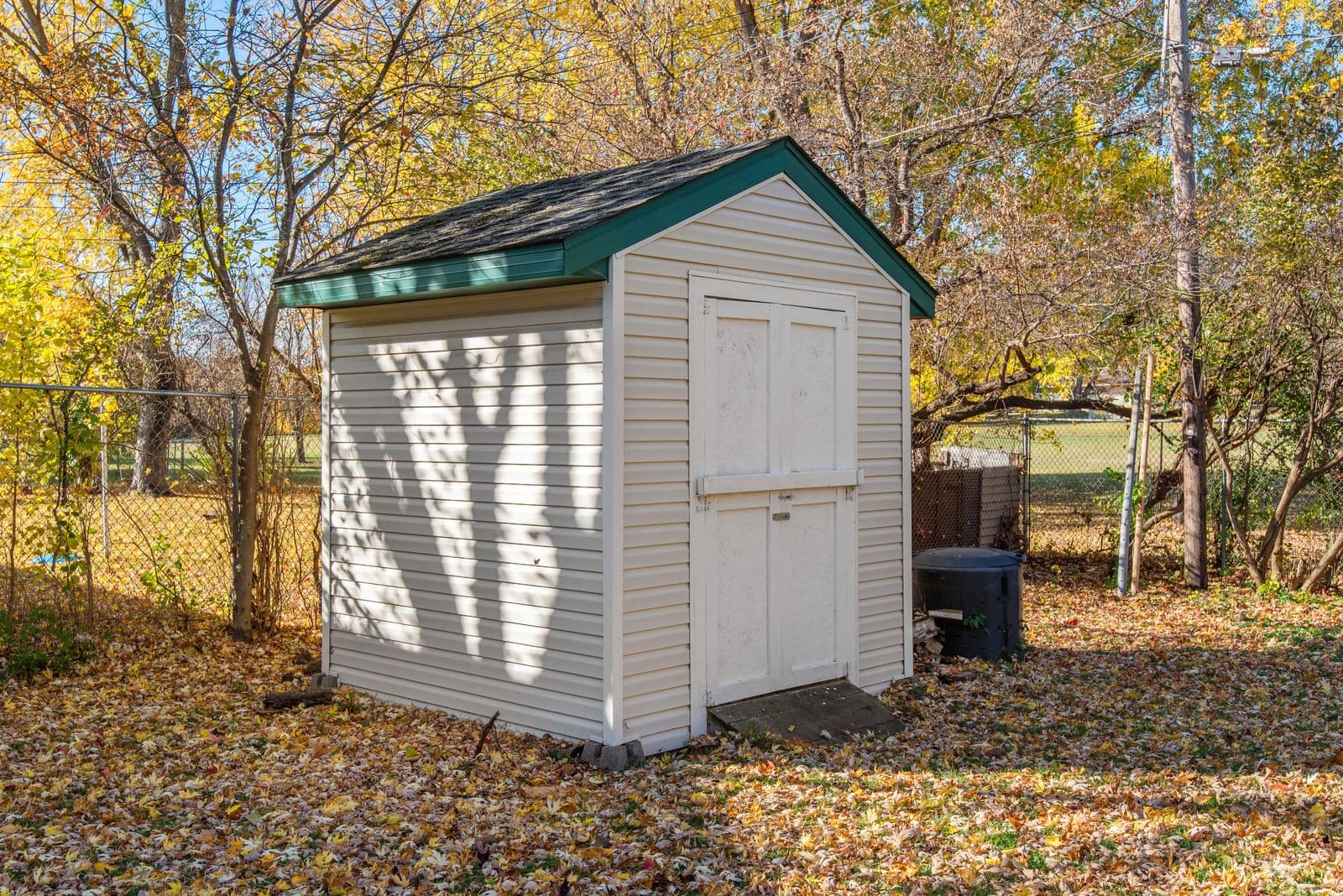
Putting up a new shed is a great way to add storage, a workshop, or a "she-shed" to your Central Florida property. But before you pick out the shed, you need to decide what it's going to sit on. The foundation is the single most important factor in how long your shed will last and how well it protects what's inside, especially with our Florida climate of intense sun, heavy rain, and hurricane threats.
At CSP Concrete, we've poured hundreds of shed foundations across Ocala and Marion County. We've seen firsthand what works and what doesn't. While there are a few options, a professionally poured concrete slab is, without a doubt, the strongest, most durable, and most reliable base for any significant shed investment.
Why Your Shed's Foundation is Critical in Central Florida
You can't just plop a shed down on the grass and hope for the best, not here. Our local environment presents unique challenges that a proper foundation is designed to solve:
- Moisture and Humidity: Florida's ground is almost always damp. A poor foundation allows moisture to wick up from the ground, rotting your shed's floor joists and creating a damp, moldy environment inside that can ruin your tools, equipment, or stored belongings.
- Pests: Termites, ants, snakes, and rodents love dark, undisturbed spaces. A shed sitting on blocks or directly on the ground is an open invitation. A sealed concrete slab is the best defense against unwanted critters making a home under your shed.
- Shifting Sandy Soil: Much of the soil in Marion County is sandy. This type of soil can shift and settle over time, especially after heavy rains. A weak foundation will sink or become unlevel, causing your shed's frame to twist, doors to jam, and windows to crack.
- Hurricane-Force Winds: A shed is essentially a big box. During a severe storm or hurricane, high winds can get underneath an improperly anchored shed and lift it, turning it into a dangerous projectile. A concrete slab provides the solid mass and secure anchoring points needed to keep your shed planted firmly on the ground.
Shed Foundation Options: A Head-to-Head Comparison
When deciding what to put your shed on, you generally have three choices. Here’s how they stack up.
| Feature | Poured Concrete Slab | Gravel Pad | Blocks / Wood Skids |
|---|---|---|---|
| Durability | Permanent (30+ years) | Good (5-15 years) | Poor (2-7 years) |
| Stability | Excellent; perfectly level | Fair; prone to settling | Poor; easily becomes unlevel |
| Moisture Protection | Excellent (with vapor barrier) | Fair; helps drainage but can't stop ground moisture | Poor; exposes floor to dampness |
| Pest Protection | Excellent; creates a physical barrier | Poor; pests can burrow easily | Very Poor; invites pests underneath |
| Anchoring | Excellent; allows for strong mechanical anchors | Poor; no solid anchoring | Very Poor; highly vulnerable to wind |
| Best For | All sheds, especially large workshops, garages, or high-value storage | Small, lightweight plastic or metal sheds | Temporary, very small sheds where contents are not valuable |
The Poured Concrete Slab: The Gold Standard
For any shed larger than a small closet, or for anyone who considers their shed a long-term investment, a poured concrete slab is the superior choice. It provides a perfectly flat, level, and stable surface that won't shift or settle over time. It's the only option that creates a permanent, monolithic foundation that fully supports the entire footprint of your shed, distributing the weight evenly. This prevents the structural twisting and door-jamming issues common with other foundation types. It’s the professional standard for a reason.
The Gravel Pad
A gravel pad, which involves excavating the area and filling it with compacted crushed stone, is a step up from just using blocks. It provides good drainage, which is a plus. However, it doesn't stop moisture from the ground from rising, and it offers no real protection from pests. Over time, gravel can settle unevenly and weeds will inevitably grow through it. It's a workable solution for a small, lightweight 8x10 shed, but it falls short for larger structures or for protecting valuable equipment.
Concrete Blocks or Wood Skids
Placing a shed on a grid of concrete blocks or on pressure-treated wood skids is the cheapest and fastest method. It's also the least effective. This approach leaves the entire underside of your shed exposed to moisture, pests, and rot. The blocks will inevitably sink into our sandy soil at different rates, leaving your shed crooked and putting stress on its frame. This is a temporary solution at best and offers almost no resistance to wind uplift in a storm.
Anatomy of a Professional Concrete Shed Foundation
Pouring a proper concrete shed pad is more than just mixing up some concrete and spreading it around. As licensed concrete contractors, we follow a precise process to ensure your foundation lasts for decades. This is the kind of detailed flatwork we perform on every job.
1. Proper Site Prep and Forming
The job starts with preparing the ground. We clear and level the area for your shed, ensuring we have a solid, compacted subgrade to build on. We then build a sturdy wooden form around the perimeter. Critically, we ensure the finished height of the slab will be at least 4-6 inches above the surrounding ground. This elevation is vital in Florida to direct rainwater away from your shed and prevent water from pooling at the base and seeping inside.
2. Vapor Barrier Installation
Before we pour any concrete, we lay down a thick plastic vapor barrier across the entire area. This sheet of heavy-duty poly is a non-negotiable step in our humid climate. It acts as an impermeable membrane, blocking ground moisture from wicking up through the concrete slab and into your shed. This simple step is key to preventing rust, mold, and mildew.
3. Steel Reinforcement
Concrete is incredibly strong under compression but needs help with tensile (pulling) forces. That's where steel reinforcement comes in. For most shed slabs, we install a grid of steel rebar or wire mesh. This steel skeleton holds the concrete together, dramatically increasing its strength and helping to prevent cracking if the ground underneath should ever shift. For a structure that needs to withstand Florida weather, reinforcement is essential.
4. The Right Concrete Mix and Thickness
Not all concrete is the same. We use a high-quality mix with a minimum compressive strength of 3,000 PSI (pounds per square inch), which is more than adequate for a typical shed.
The standard thickness for a shed slab is 4 inches. This is sufficient for storing lawn equipment, tools, and other common items. If you plan to park a car, a heavy tractor, or use it as a serious workshop with heavy machinery, we recommend increasing the thickness to 5 or 6 inches for added strength.
5. Finishing and Control Joints
Once the concrete is poured and leveled, we give it a smooth, troweled finish. As the concrete begins to cure, we cut control joints into the surface. These planned grooves create weakened lines that encourage any future cracking to occur neatly within the joint, rather than randomly across the slab's surface. This is a critical step for managing the natural expansion and contraction of all concrete slabs.
6. Anchoring Provisions
A key benefit of a concrete slab is the ability to anchor your shed securely. We can pre-install anchor bolts into the wet concrete, or you can drill and install expansion anchors after the slab has cured. Bolting your shed's base plate directly to the concrete foundation is the most effective way to protect it from being damaged or moved by hurricane-force winds.
How Much Does a Concrete Shed Pad Cost in the Ocala Area?
The cost of a poured concrete shed foundation depends on several factors: the size of the pad, the thickness of the concrete, site accessibility, and how much prep work is needed. It's impossible to give a precise price without seeing the site.
However, to give you a general idea for budgeting in 2026, you can expect the cost for a professionally installed, 4-inch thick, steel-reinforced concrete shed pad in the Marion County and The Villages area to range from $10 to $16 per square foot.
- A 10x12 shed (120 sq. ft.) might cost between $1,200 and $1,920.
- A 12x20 shed (240 sq. ft.) could range from $2,400 to $3,840.
This price typically includes labor, materials, site prep, forming, reinforcement, and finishing. While the upfront cost is higher than a gravel pad or blocks, the longevity, stability, and protection it offers make it a far better value over the life of your shed. You can use our concrete calculator to get a rough estimate of the materials needed for your project size.
Frequently Asked Questions
What is the best foundation for a shed in Florida?
For Florida's climate of high humidity, heavy rain, and storm risks, the best foundation is a professionally poured, steel-reinforced concrete slab. It provides a permanent, stable, and dry base that protects your shed from moisture, pests, and wind uplift.
Does a shed need a concrete pad?
While a very small, lightweight shed might get by on gravel, any shed of significant size or value should have a concrete pad. A concrete pad is necessary if you want to prevent rot, keep the floor dry, stop it from becoming unlevel, and anchor it securely against storms.
How thick should a concrete shed pad be?
A 4-inch thick concrete slab is the standard and is sufficient for most residential sheds used for storing lawn equipment and tools. If you plan to park a vehicle or store very heavy machinery, we recommend increasing the thickness to 5 or 6 inches.
How much does a concrete pad for a shed cost?
In the Ocala, FL area, a professionally installed concrete shed pad typically costs between $10 and $16 per square foot in 2026. The final price depends on size, site access, and prep work, so an on-site estimate is required for an exact quote.
Should the shed pad be bigger than the shed?
Yes, we recommend making the concrete pad slightly larger than the shed's footprint. A pad that is 6 inches to 1 foot wider and longer than the shed provides a small "apron" that helps keep water splash-back off the shed walls and gives you a stable surface to step onto.
Ready to give your new shed the solid, lasting foundation it deserves? CSP Concrete is your local, licensed (Marion County #18069), and insured expert for all types of concrete work. Call us today at (321) 239-6046 or request your free, no-pressure estimate online to discuss your project.