Concrete Care
Why Concrete Cracks — and How We Prevent It
Learn why concrete cracks in Florida, the difference between normal shrinkage and serious issues, and how CSP Concrete prevents problems with proper prep and reinforcement.
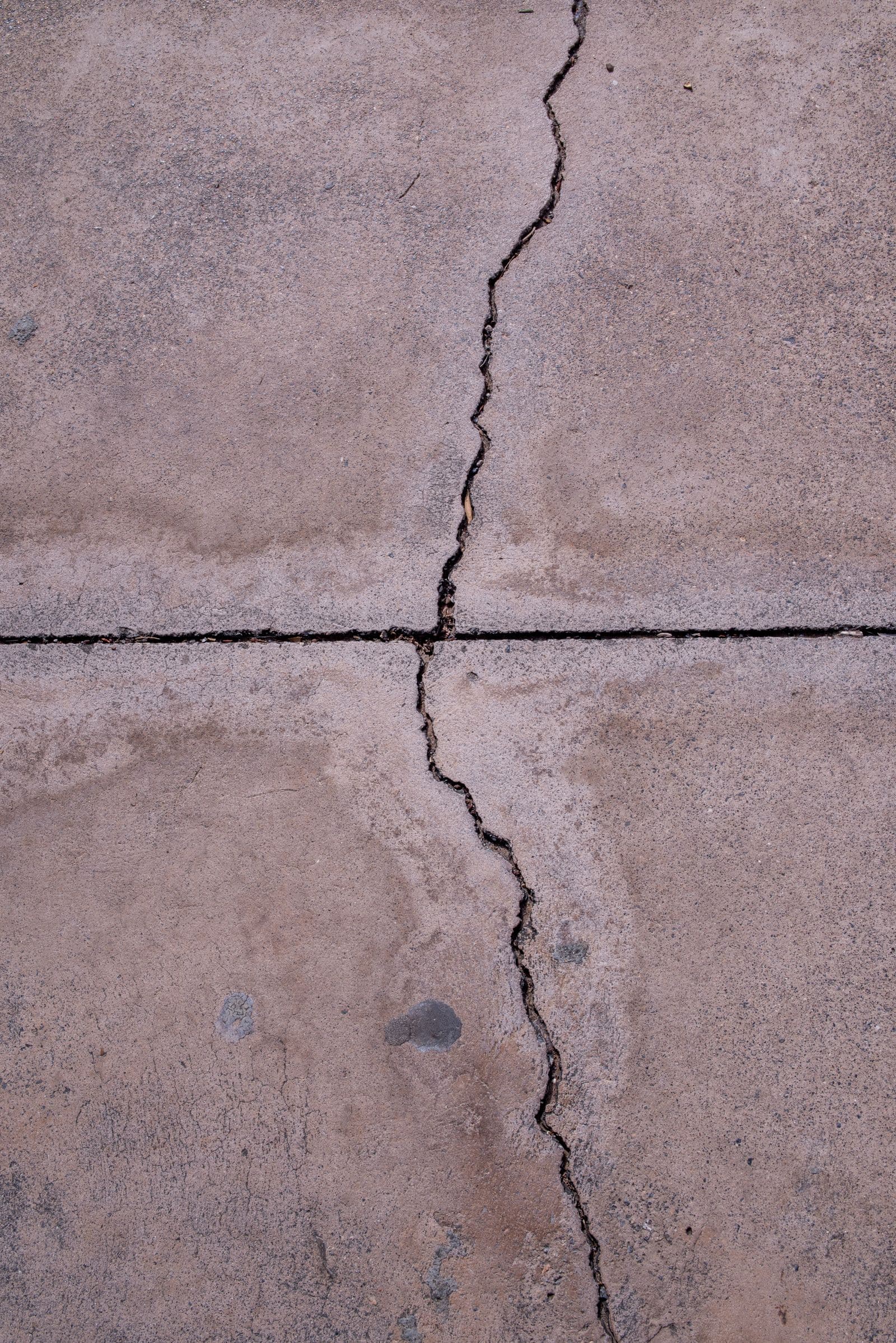
It’s the number one fear every homeowner has when getting new concrete: "Is it going to crack?" The honest answer is that all concrete has the potential to crack. But the difference between a few harmless hairline cracks and a structural failure comes down to one thing: proper installation.
At CSP Concrete, we believe in doing the job right from the ground up, because preventing cracks is far better than repairing them. We'll explain why concrete cracks, what's normal, what's not, and how our professional process protects your investment for decades to come.
The Unavoidable Truth: Concrete Shrinks
The main reason for most small cracks is a natural process called plastic shrinkage. Fresh concrete is a mix of cement, sand, stone, and water. As the concrete hardens (cures), the water that isn't chemically bonded evaporates. This water loss causes the slab to shrink ever so slightly.
This shrinking creates tension inside the slab. If the tension becomes greater than the concrete's early strength, it has to relieve itself, often by forming small, random cracks on the surface. Here in Central Florida, the intense sun and heat can cause the surface to dry out much faster than the bottom of the slab, increasing the risk of these shrinkage cracks. A good contractor knows how to manage this.
Common Types of Concrete Cracks in Central Florida
Not all cracks are created equal. Understanding the difference can tell you whether you have a minor cosmetic issue or a sign of a bigger problem.
Plastic Shrinkage Cracks
These are the most common and least worrisome cracks. They are typically very fine (hairline), shallow, and appear in random, web-like patterns. They usually form within the first 24-48 hours after the pour as the concrete dries. While they might not look perfect, they don't affect the strength or durability of your driveway or patio.
Settlement Cracks
These are more serious. Settlement cracks occur when the ground underneath the slab shifts or sinks, causing the concrete to crack under its own weight. These cracks are often wider and can run the full depth of the slab. In Marion, Lake, and Citrus counties, our sandy soil is a major factor. If the ground isn't properly prepared and compacted, settlement is almost guaranteed.
Heaving Cracks
Heaving is the opposite of settlement, where the ground pushes the slab upward. This is most often caused by invasive tree roots getting under the concrete or by expansive soils, though the latter is less common in our sandy region.
Structural Cracks
These are the cracks to worry about. They are typically wider than a credit card (1/4 inch or more), run from edge to edge, and often show vertical displacement—meaning one side of the crack is higher than the other. This indicates a major failure, either in the sub-base or the slab itself, and requires immediate professional assessment.
How We Prevent and Control Cracks: The CSP Concrete Method
At CSP Concrete, our entire process is designed to minimize and control cracking. We don't cut corners because we know a little extra work up front saves you major headaches down the road.
It Starts with a Solid Base
The single most important factor in preventing settlement cracks is a properly prepared sub-base. This is non-negotiable.
- Excavation: We dig out all topsoil, grass, roots, and any other organic material. This soft material decomposes over time, leaving voids under your slab that lead to sinking and cracking.
- Compaction: We compact the native sandy soil to create a firm foundation.
- Base Material: We then add a layer of crushed stone (like #57 stone) or lime rock and compact it in lifts using a plate compactor. This creates a stable, load-bearing base that won't shift or wash out during Florida's heavy afternoon rains.
Many low-bid contractors will pour directly on topsoil or uncompacted sand. This is the #1 cause of failed concrete in Florida.
Strategic Reinforcement: Rebar vs. Wire Mesh
Reinforcement doesn't stop concrete from cracking, but it holds the slab tightly together if it does crack. This prevents the crack from widening or separating, maintaining the structural integrity of your flatwork. The two main types are rebar and welded wire mesh.
| Feature | Rebar (Reinforcing Bar) | Welded Wire Mesh |
|---|---|---|
| Material | Thick, ribbed steel rods (e.g., #3 or #4) | Grid of thin, welded steel wires |
| Strength | High tensile strength; provides significant structural support. | Lower tensile strength; primarily for shrinkage control. |
| Best For | Foundations, garage slabs, heavy-duty driveways, equipment pads. | Standard driveways, patios, sidewalks, light-duty slabs. |
| Cost | More expensive material and labor. | Less expensive and faster to place. |
| Primary Job | Prevents structural failure and separation under heavy loads. | Controls the width of temperature and shrinkage cracks. |
We choose the right reinforcement for your specific project. For a heavy-duty garage slab that will hold a boat or RV, rebar is essential. For a standard patio or walkway, wire mesh is often the most cost-effective and appropriate choice. We will always explain our recommendation during your on-site estimate.
The Power of Control Joints
If you can't stop concrete from cracking, the next best thing is to tell it where to crack. That's the purpose of control joints (or contraction joints).
We cut straight, shallow grooves into the slab within 24 hours of pouring. These grooves create a planned weak point. As the concrete shrinks and tension builds, it will crack neatly and invisibly inside the joint instead of randomly across the finished surface. This is why you see square patterns on sidewalks and driveways—it’s a critical feature, not just a design choice. Proper depth and spacing, based on the slab thickness, are key to making them work.
Proper Curing is Crucial
The final step is managing the curing process. Curing isn't just about drying; it's a chemical reaction where the concrete gains its strength. If it dries too quickly, it will be weak and prone to cracking.
In the Ocala heat, we may use a spray-on curing compound. This clear membrane seals the surface, slowing down evaporation and allowing the slab to harden and gain strength more evenly. It’s a simple step that makes a huge difference in the long-term quality of your concrete slab.
Frequently Asked Questions
Are hairline cracks in my new concrete driveway normal?
Yes, small hairline cracks (plastic shrinkage cracks) are often a normal and unavoidable part of the concrete curing process, especially in our hot Florida climate. As long as they are tight, not growing, and not showing vertical displacement, they are typically cosmetic and not a structural concern.
What's the difference between rebar and wire mesh for my patio?
Rebar provides much greater structural strength and is used for load-bearing slabs like foundations. Wire mesh is lighter and is used to control shrinkage and temperature cracks in flatwork like patios and sidewalks. For most patios, wire mesh is sufficient and more cost-effective. We can discuss the best option for your project's specific needs.
Can you pour concrete over an existing cracked driveway?
This is generally a bad idea. Pouring a thin layer of new concrete over a cracked base is a temporary fix at best. The existing cracks will almost always transfer up through the new layer, a process called "reflective cracking." The proper, long-term solution is to remove the old, failed concrete and start fresh with a properly compacted base.
How long do I have to wait before driving on my new concrete driveway?
We recommend waiting at least 7 full days before driving a standard passenger car on your new driveway. Concrete reaches about 70% of its final strength in the first week. For heavier vehicles like trucks, RVs, or work vans, you should wait at least 14-28 days to allow the concrete to cure more fully and prevent damage.
Don't let the fear of cracks stop you from getting the durable, functional concrete you need. When installed by experienced professionals who understand our local soil and climate, your concrete driveway, patio, or slab will serve you well for decades. If you're in Ocala, The Villages, or anywhere in Marion, Lake, or Citrus County, we're here to help.
For a free, no-pressure estimate from a licensed and insured local contractor, call CSP Concrete today at (321) 239-6046 or request your free estimate online.